



When Do Toddlers Start Walking? (10-18 Months Guide)
By Myduckling Editorial Team · Updated February 2026

Most parents wonder when babies start walking — the answer is usually between 10 and 15 months, but normal can extend to 18 months.
In this Article:
- When do babies actually start walking?
- The walking timeline
- Signs your toddler is ready to walk
- Is it normal for a 15-month-old not to walk?
- How to encourage your baby to walk
- Preparing a Montessori Yes Space
- When to see a pediatrician
Watching your little one pull themselves up on the coffee table for the first time is a moment every Mom waits for. It marks the transition from a dependent baby to an adventurous (and busy!) toddler. But with this excitement often comes comparison: “Why is my niece walking at 11 months, but my 14-month-old is still happily crawling?”
If you are tracking your baby’s gross motor skills and wondering when do babies start walking, you are not alone. This guide breaks down the updated CDC milestones, the signs of readiness, and how to support your child’s development safely.
When do babies actually start walking?
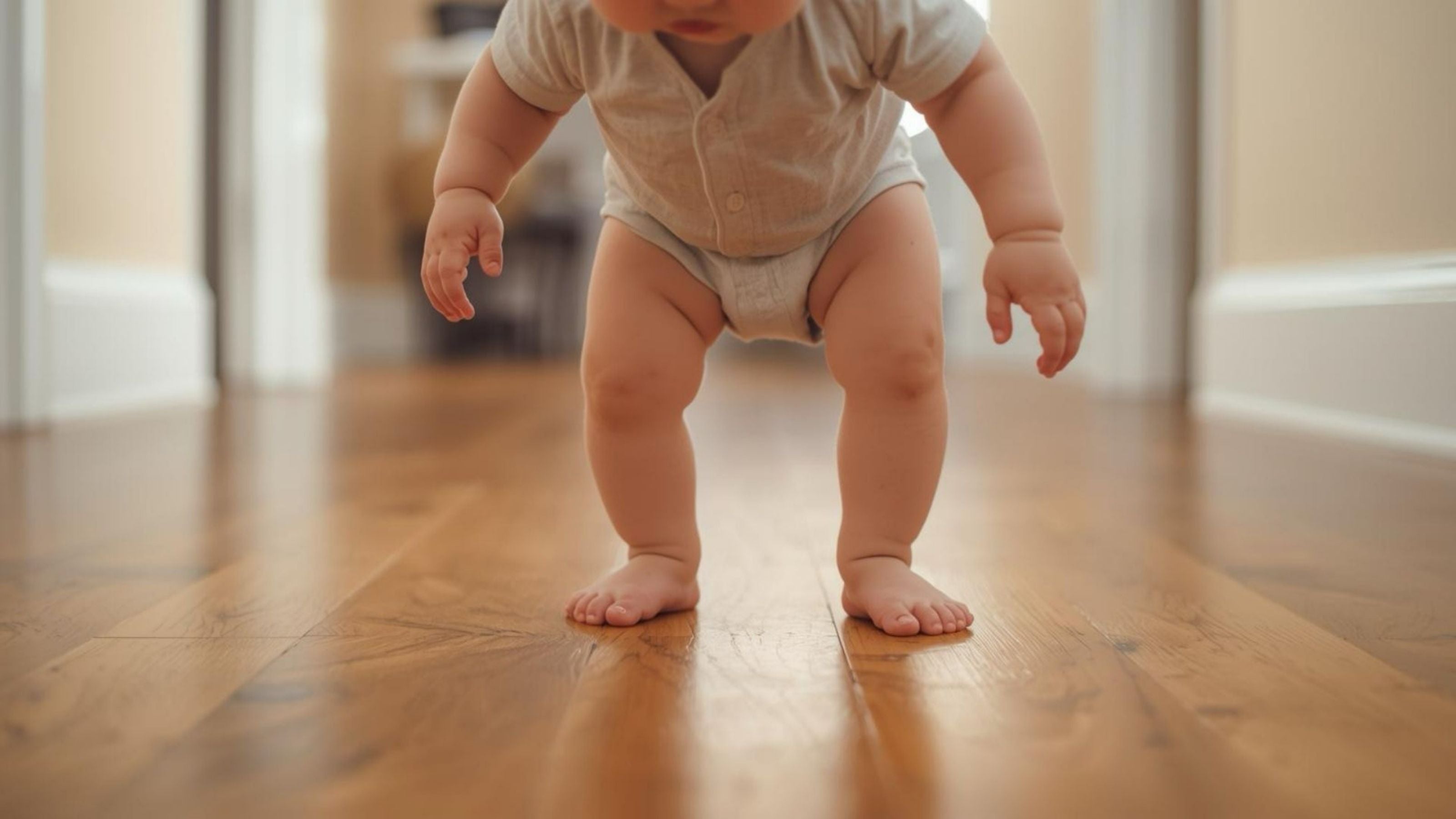
Most toddlers take their first independent steps between 10 and 15 months of age. According to the CDC's updated milestones, a child is expected to take a few steps on their own by 15 months. However, the normal developmental range extends up to 18 months. Walking is a complex gross motor skill that requires significant muscle strength, balance, and coordination, explaining when infants walk within a normal developmental range.
According to the American Academy of Pediatrics (AAP), while many babies take their first steps around their first birthday, there is a wide window of "normal." Some babies are naturally more cautious and may cruise (hold onto furniture) for months before letting go, while others might be more impulsive.
Genetics, temperament, and physical size all play a role. As long as your child is acquiring skills progressively—rolling, sitting, crawling, and pulling to stand—the exact month they start walking matters less than the overall trajectory.
The Walking Timeline: What to Expect
- 9–10 Months: Pulling to stand on furniture.
- 11 Months: “Cruising” – shuffling sideways while holding the couch and standing alone for 1–2 seconds.
- 12–13 Months: First independent steps (often wobbly, with arms held high for balance – the “high guard” position).
- 14–15 Months: Walking becomes the primary mode of transportation.
- 16–18 Months: Confident walking, starting to carry toys while moving.
| Age | Milestone |
| 9 months | Pulling up on furniture |
| 11 months | Cruising – shuffling sideways while holding furniture |
| 15 months | Walking becomes primary mode of movement |
Signs your toddler is ready to walk
Before that magical first step happens, your baby will likely show several "pre-walking" behaviors. These are signs that their leg muscles and core stability are developing correctly and indicate when babies learn to walk.
-
Cruising: Shuffling sideways along the couch or coffee table while holding on.
-
Standing Without Support: Letting go for a few seconds to test their balance—often followed by a soft landing on their diaper!
- Squatting: The ability to squat down from a standing position to pick up a toy without falling implies immense leg strength.
As noted by the Mayo Clinic, major developmental leaps often come with a bit of fussiness or sleep regression as the brain processes these new skills.
Is it normal for a 15-month-old not to walk?
Yes, it is completely normal.
While social media might make it seem like every baby is walking by their first birthday, the Centers for Disease Control and Prevention (CDC) adjusted their milestone checklists in 2022. They now list "taking a few steps on their own" as a 15-month milestone, helping parents understand when an infant typically starts walking.
It is important to distinguish between a "late walker" and a developmental delay. Some babies are simply efficient crawlers who don't feel the need to walk yet because they can get to their toys fast enough on all fours.
However, if your child is not walking by 18 months, the AAP suggests consulting your pediatrician. This check-up is just to rule out any underlying issues with muscle tone (hypotonia) or hip development.
How to encourage your baby to walk (Safety First)
You don't need fancy equipment to teach a baby to walk; in fact, natural exploration is best and supports healthy baby walking patterns.
1. Go Barefoot Indoors: US pediatricians generally recommend keeping your toddler barefoot as much as possible inside the house. This allows them to grip the floor with their toes and develop the small foot muscles essential for balance.
2. Encourage Reach: Place a favorite toy just out of reach on the couch to motivate them to pull up and stand.
3. Avoid Traditional Baby Walkers: The AAP has called for a ban on the manufacture and sale of mobile infant walkers (the sit-in kind with wheels). They do not teach walking; they actually delay motor development and pose significant safety risks, sending thousands of children to the ER (Emergency Room) each year.
Preparing Your Home: The Montessori "Yes Space"

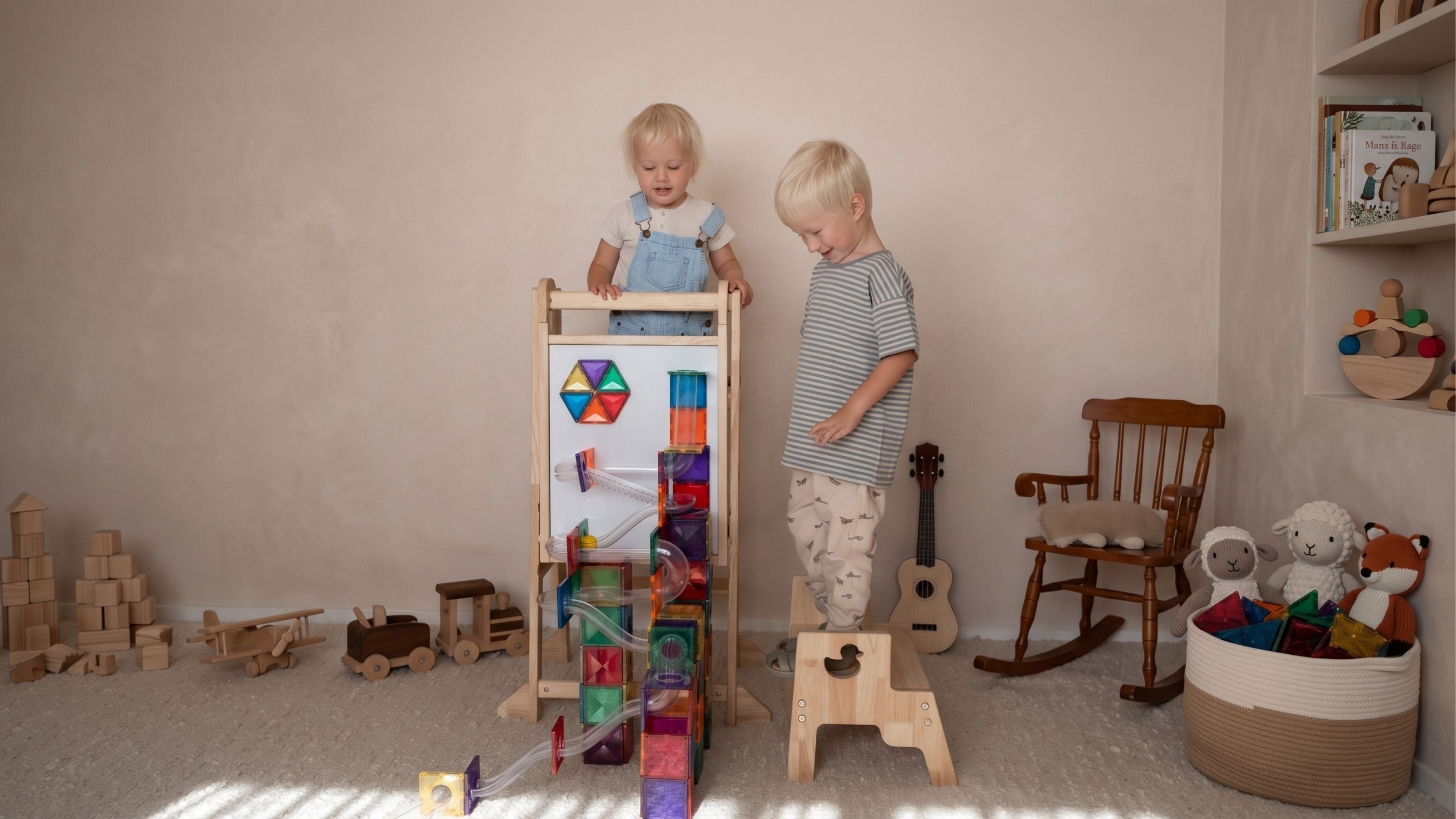
Once your toddler starts pulling to stand and cruising, your home environment needs to change. In the Montessori philosophy, this is called creating a "Yes Space"—an environment where the child can explore freely without constantly hearing "No" or "Don't touch."
Instead of restricting their movement, consider these adjustments to support their new independence and help them walk confidently:
-
Clear the Runways: Remove throw rugs that can slip and create wide, open pathways between furniture for confident cruising.
-
Lower the World: Place toys, books, and even a small cup of water on low, open shelves accessible from a standing position. This encourages your toddler to walk to get what they want, rather than waiting for you to bring it.
- Anchor Everything: Ensure bookshelves, dressers, and TVs are anchored to the wall. As your new walker explores their vertical world, they will use anything available to pull themselves up.
By preparing the environment, you aren't just keeping them safe; you are building their confidence to explore the world on two feet.
When to see a Pediatrician
While patience is key, there are some red flags that warrant a professional opinion. Book an appointment with your doctor if your child:
- Is not walking by 18 months.
- Walks only on their tiptoes (persistent toe walking).
- Appears to drag one leg or tilts consistently to one side (asymmetry).
- Had learned to stand or walk but seems to have lost the skill (developmental regression).
Conclusion
Remember, your baby is on their own unique timeline. Whether they take off running at 10 months or take their time until 16 months, the destination is the same. Create a safe environment, encourage plenty of barefoot play, and enjoy this wobbly, wonderful phase—once they start walking, they rarely sit still again!






Leave a comment
This site is protected by hCaptcha and the hCaptcha Privacy Policy and Terms of Service apply.