




Solid Wood Essentials
Premium solid rubberwood, built to grow with your child.

Free shipping on every order
2-year structural warranty
Water-based, non-toxic finishes
30-day returns, hassle-free
Best Sellers
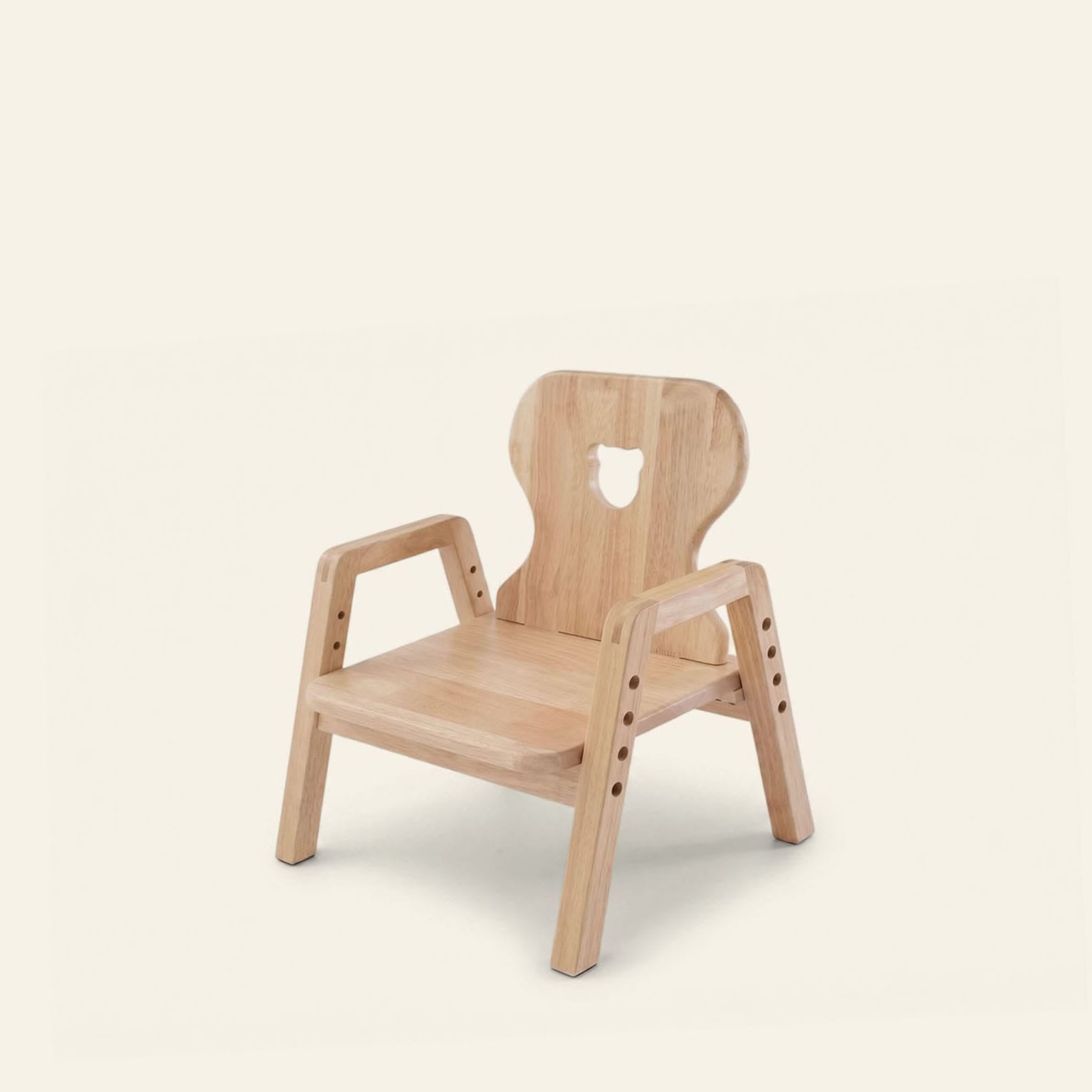
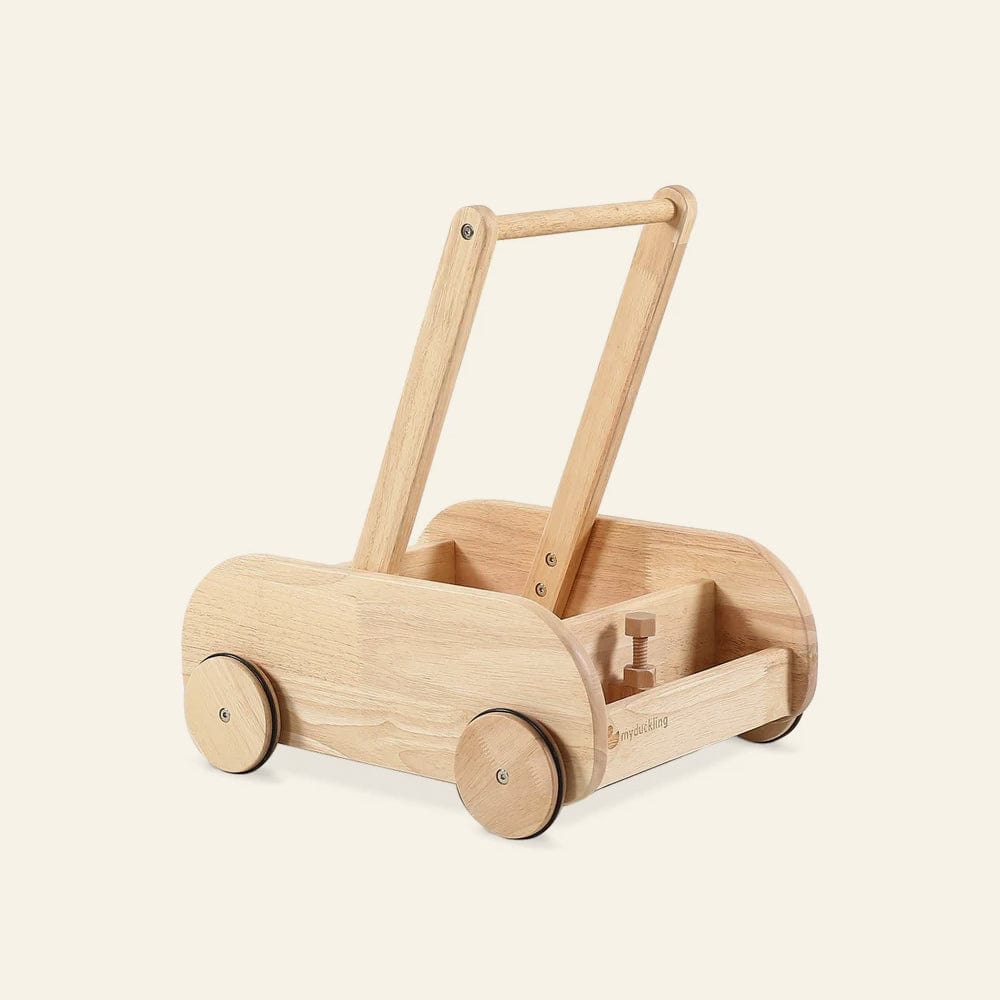
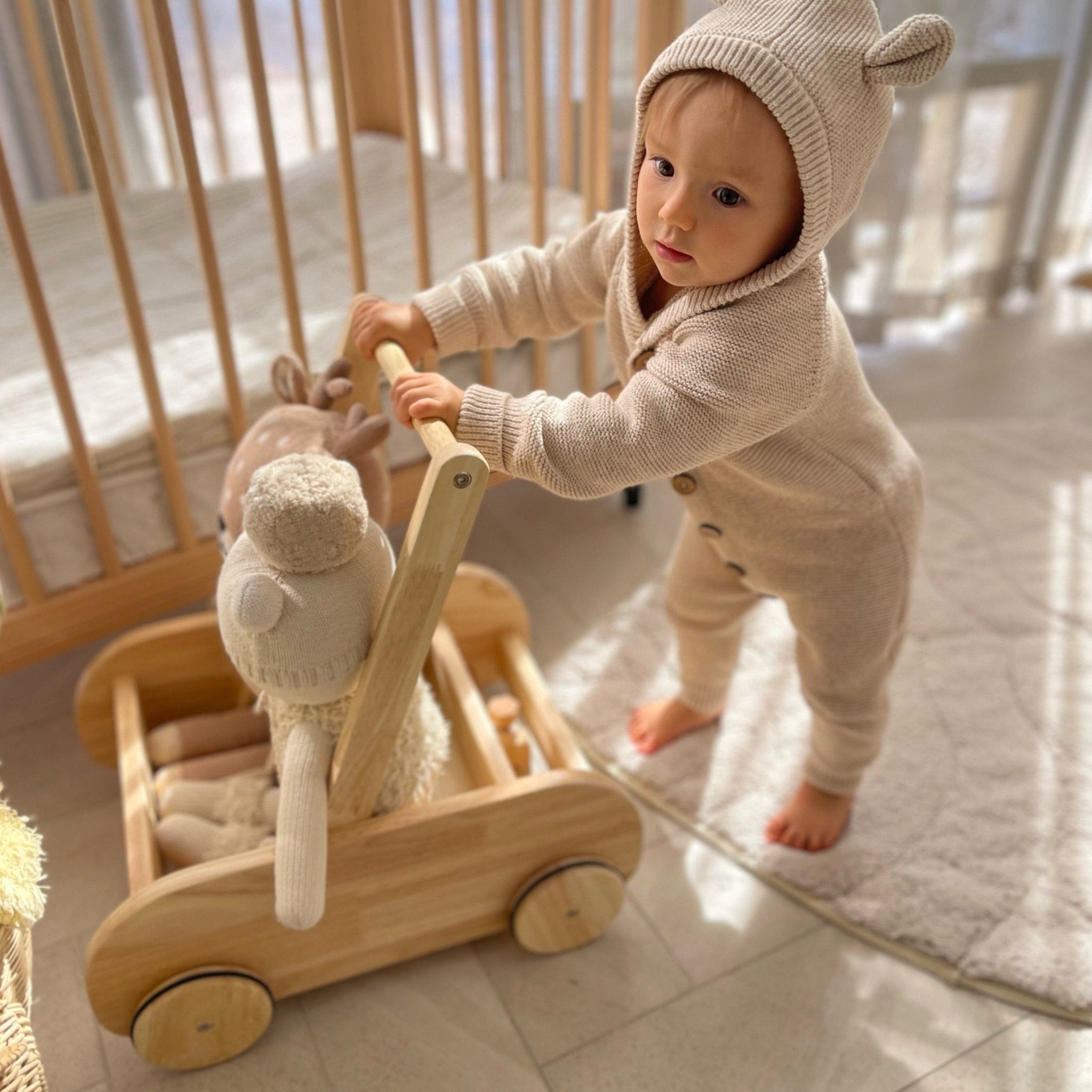
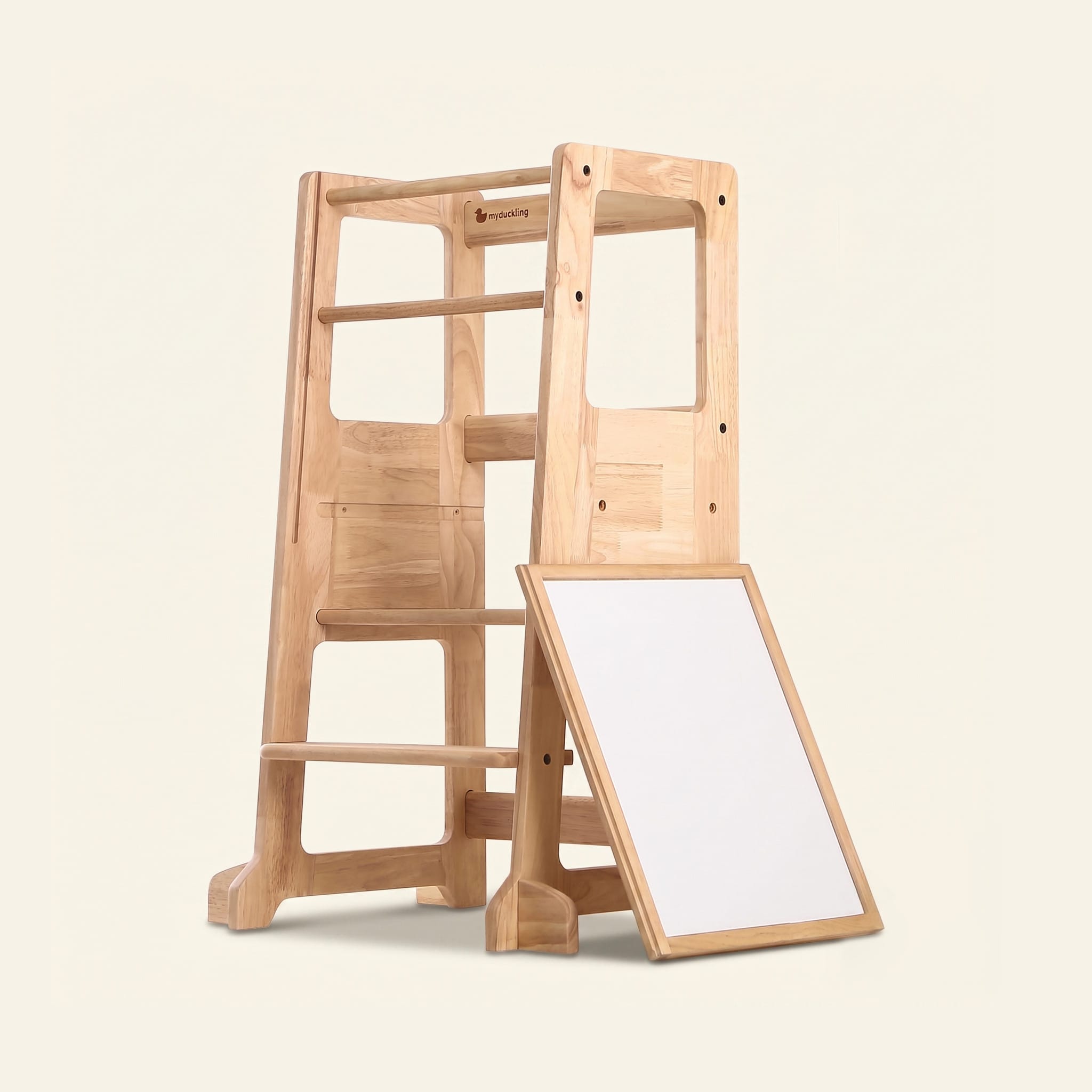
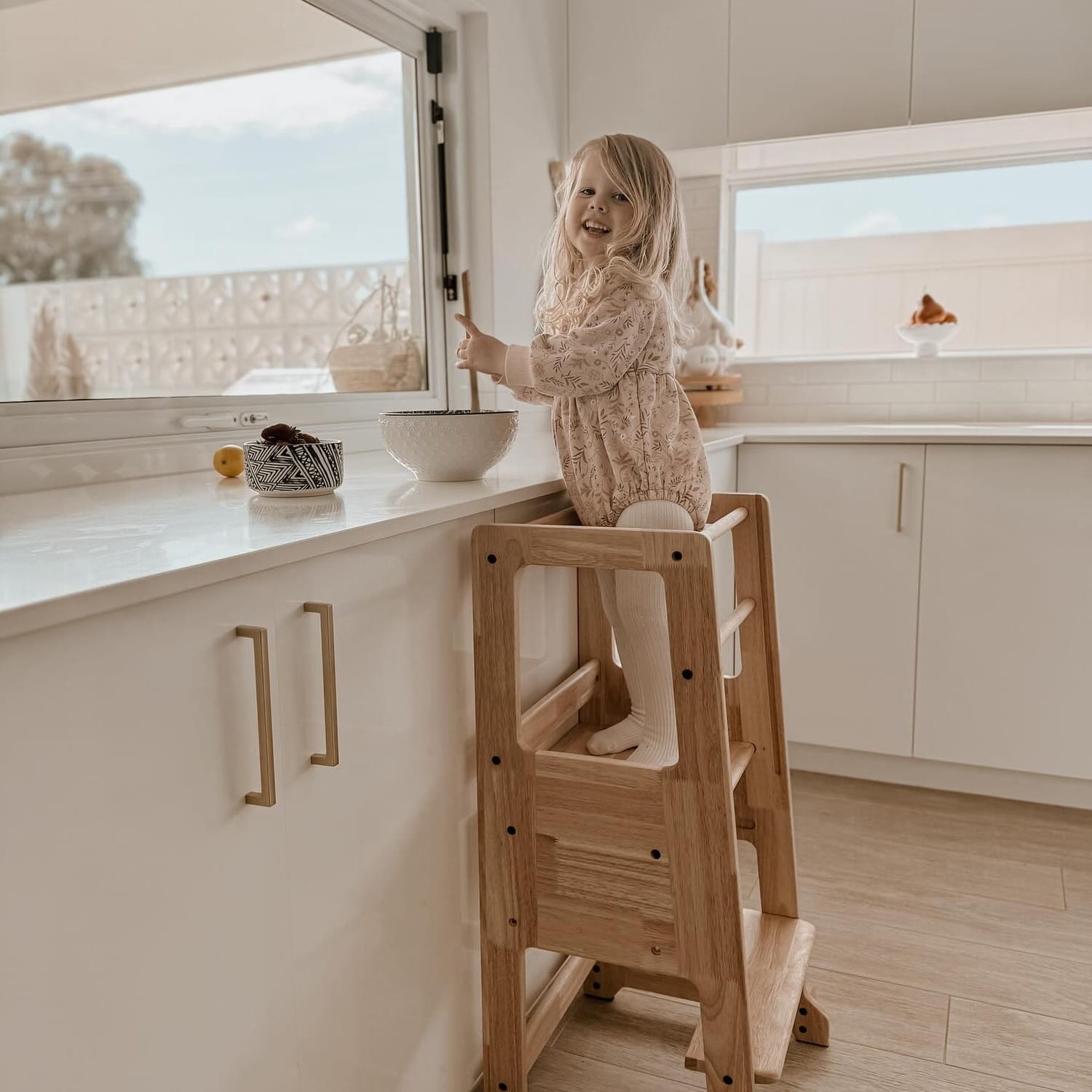
The best treat on the street
Trick-or-treat is sweeter with myduckling. This Halloween, give a gift card they’ll unwrap long after the candy’s gone. Shop Gift Cards →
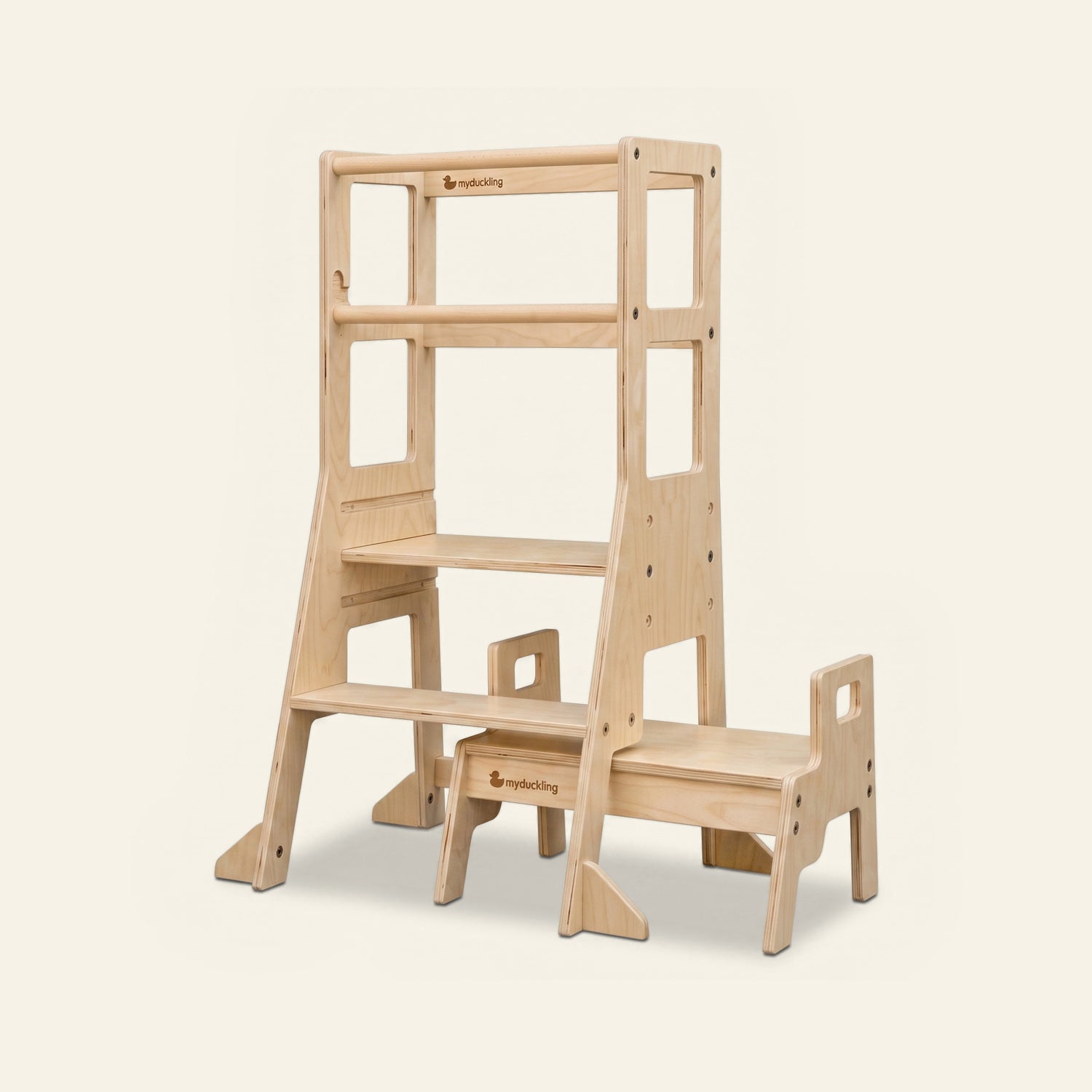
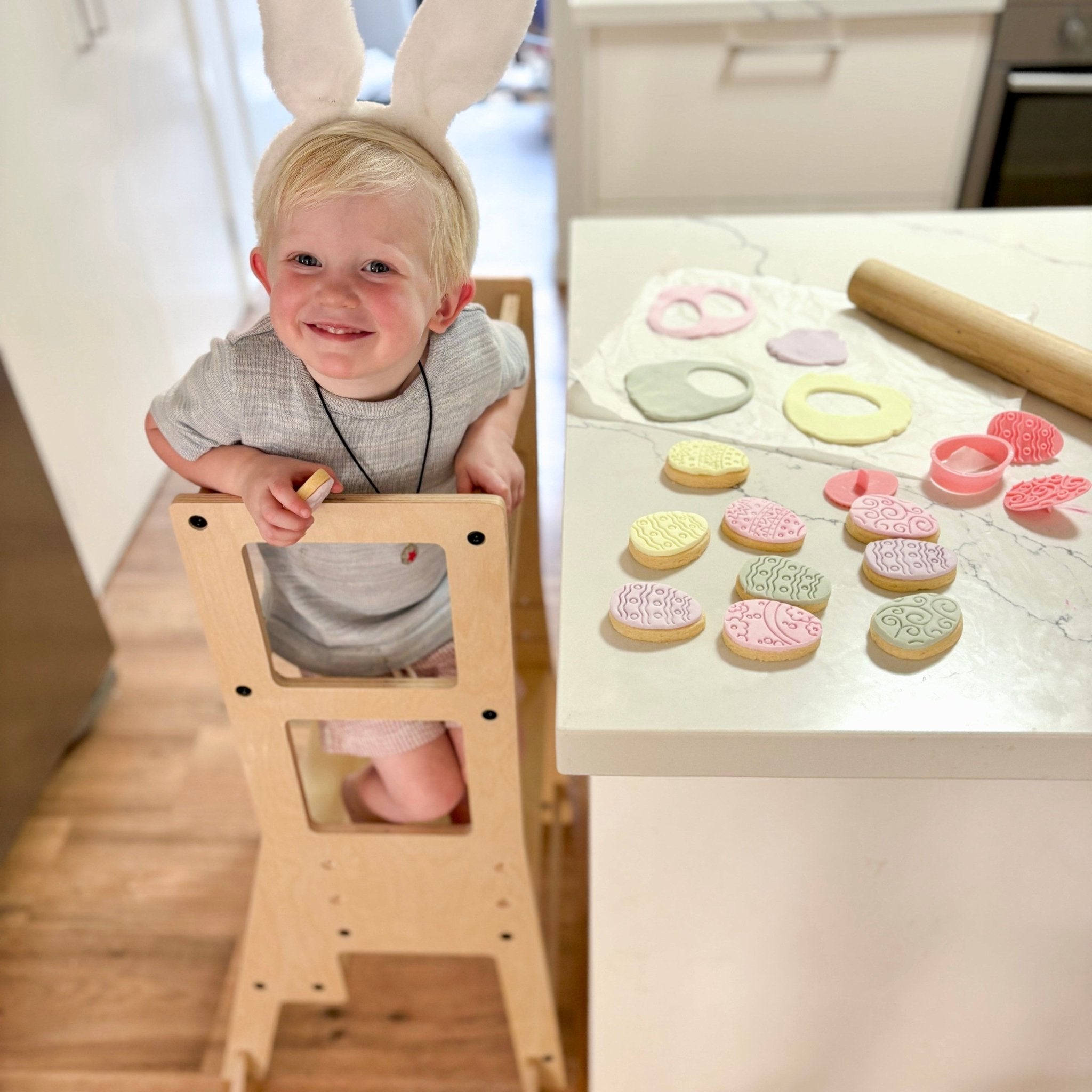
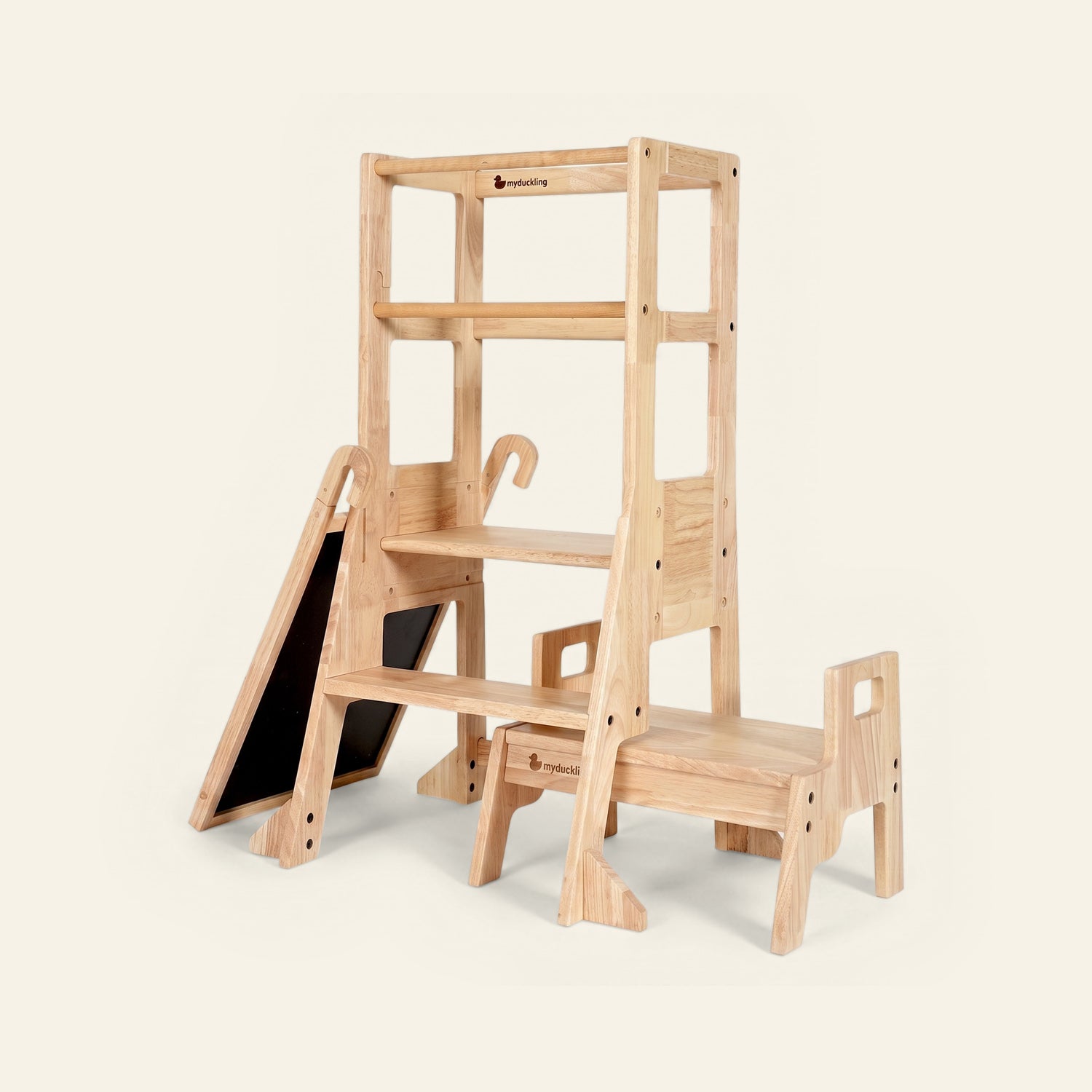
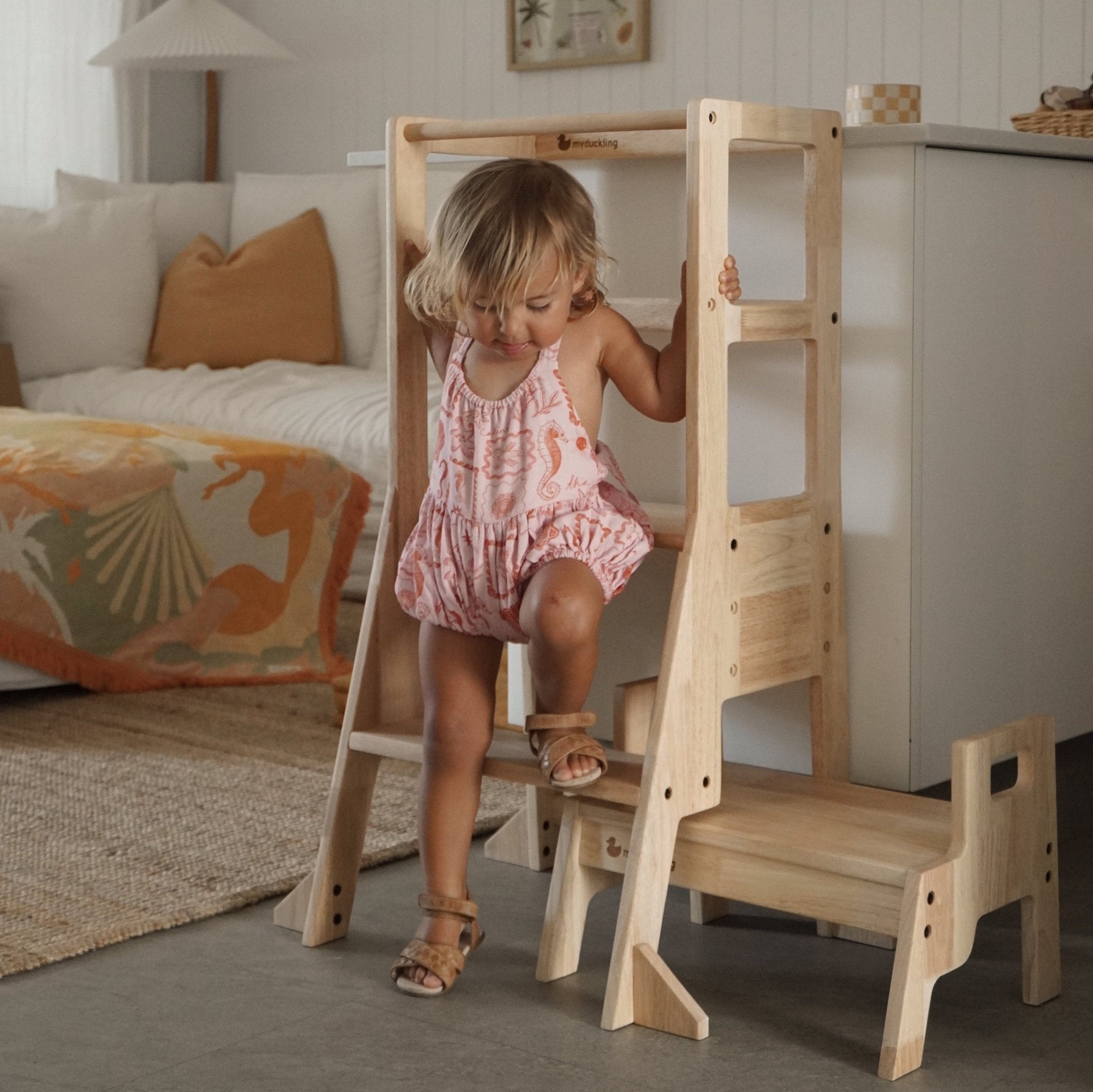
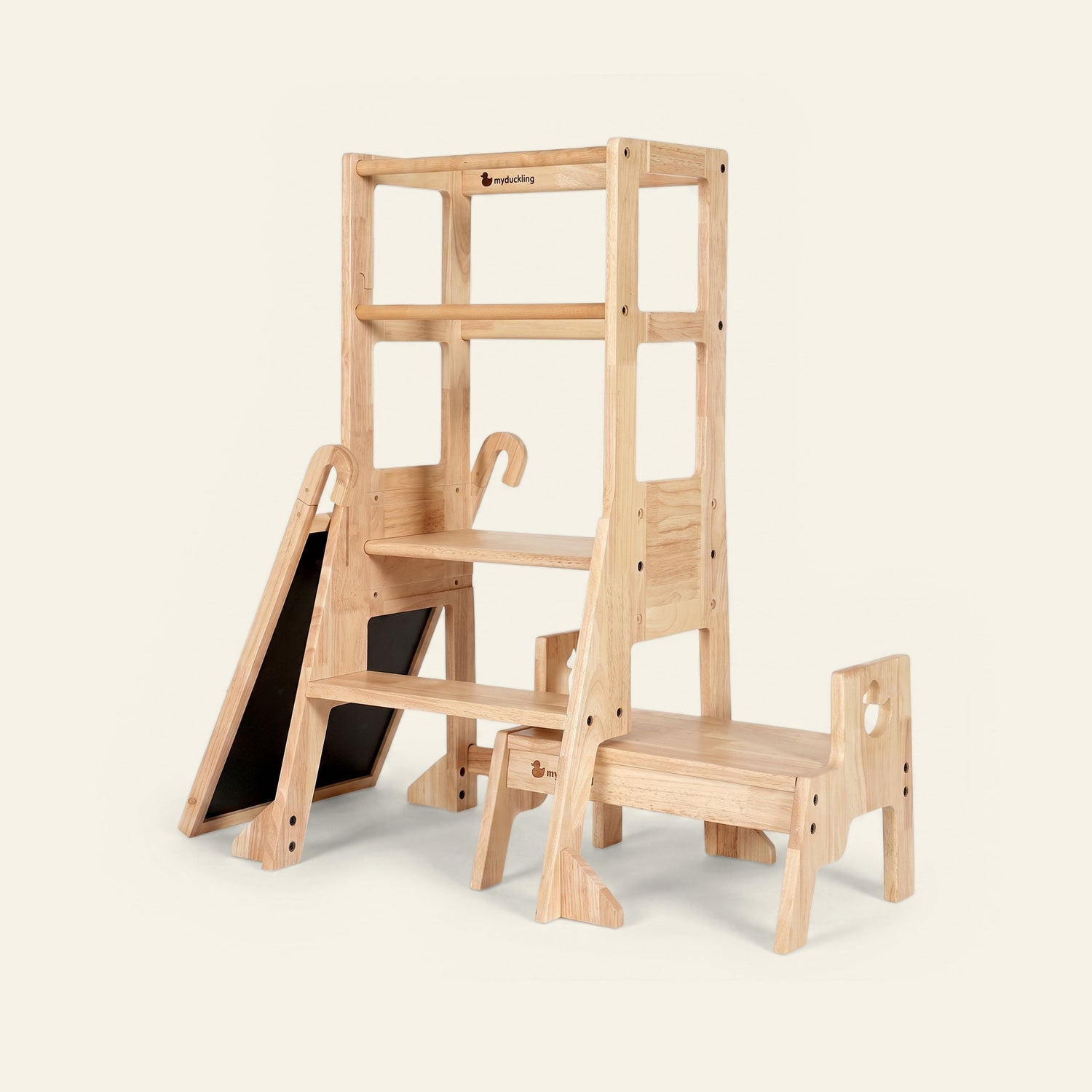
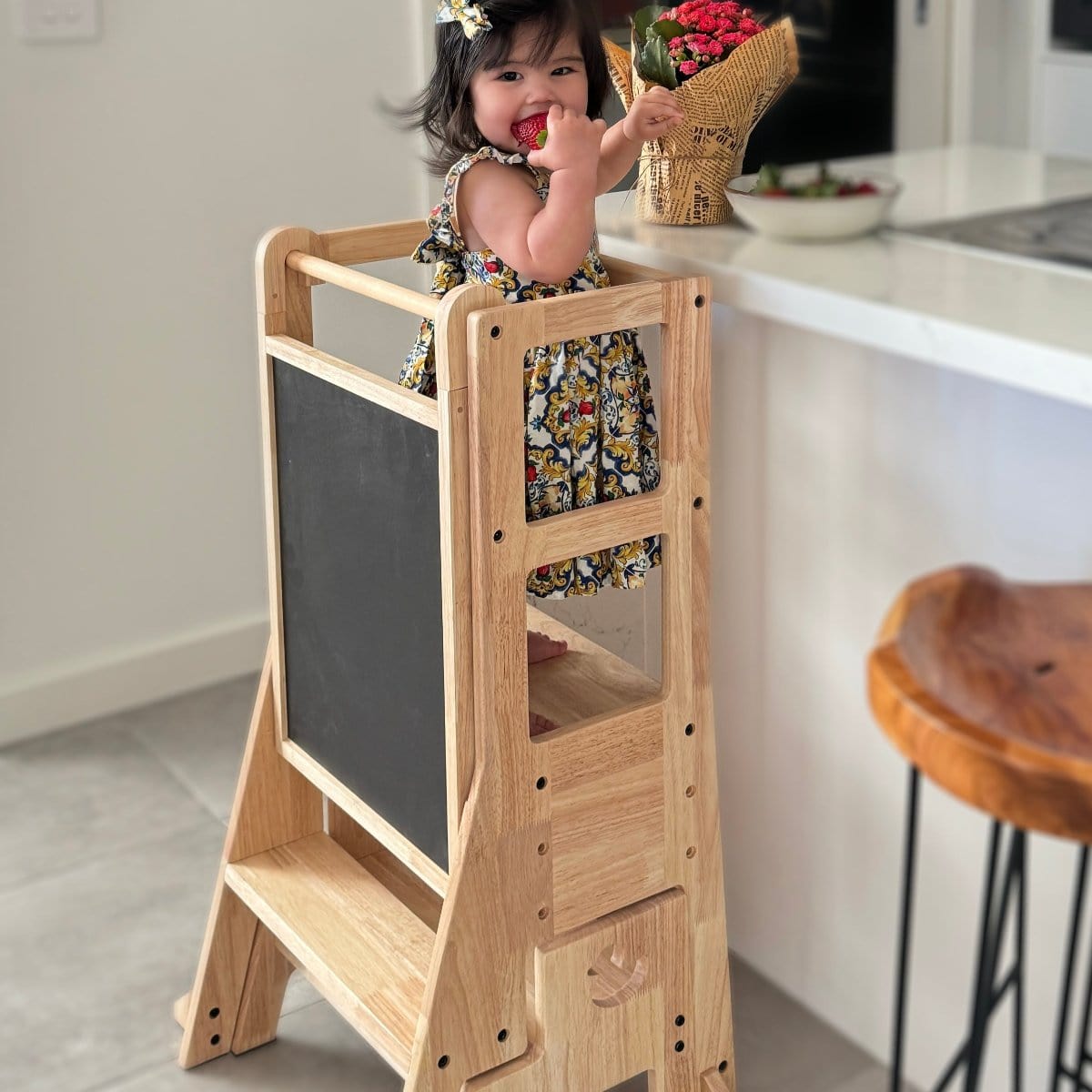
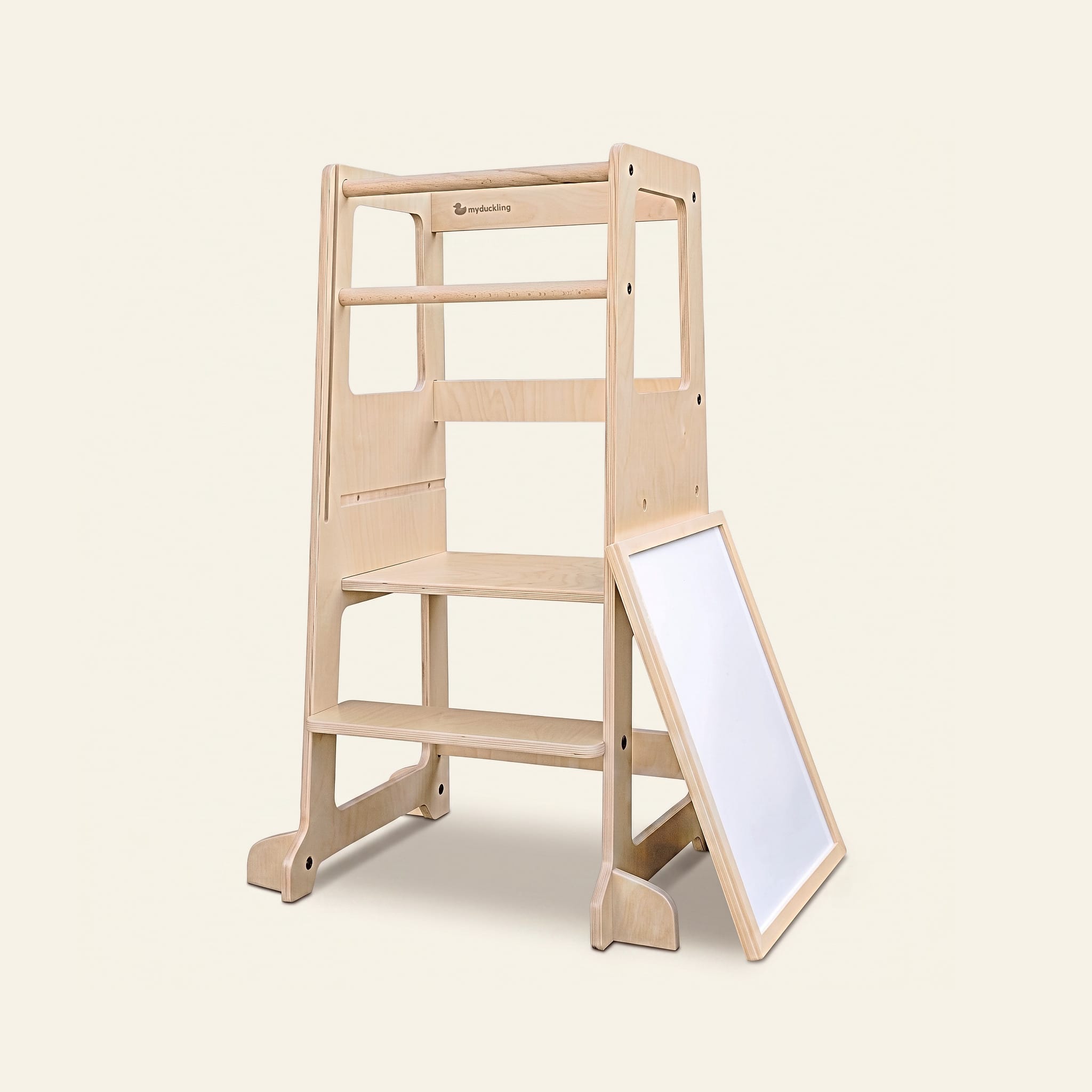
Let customers speak for us

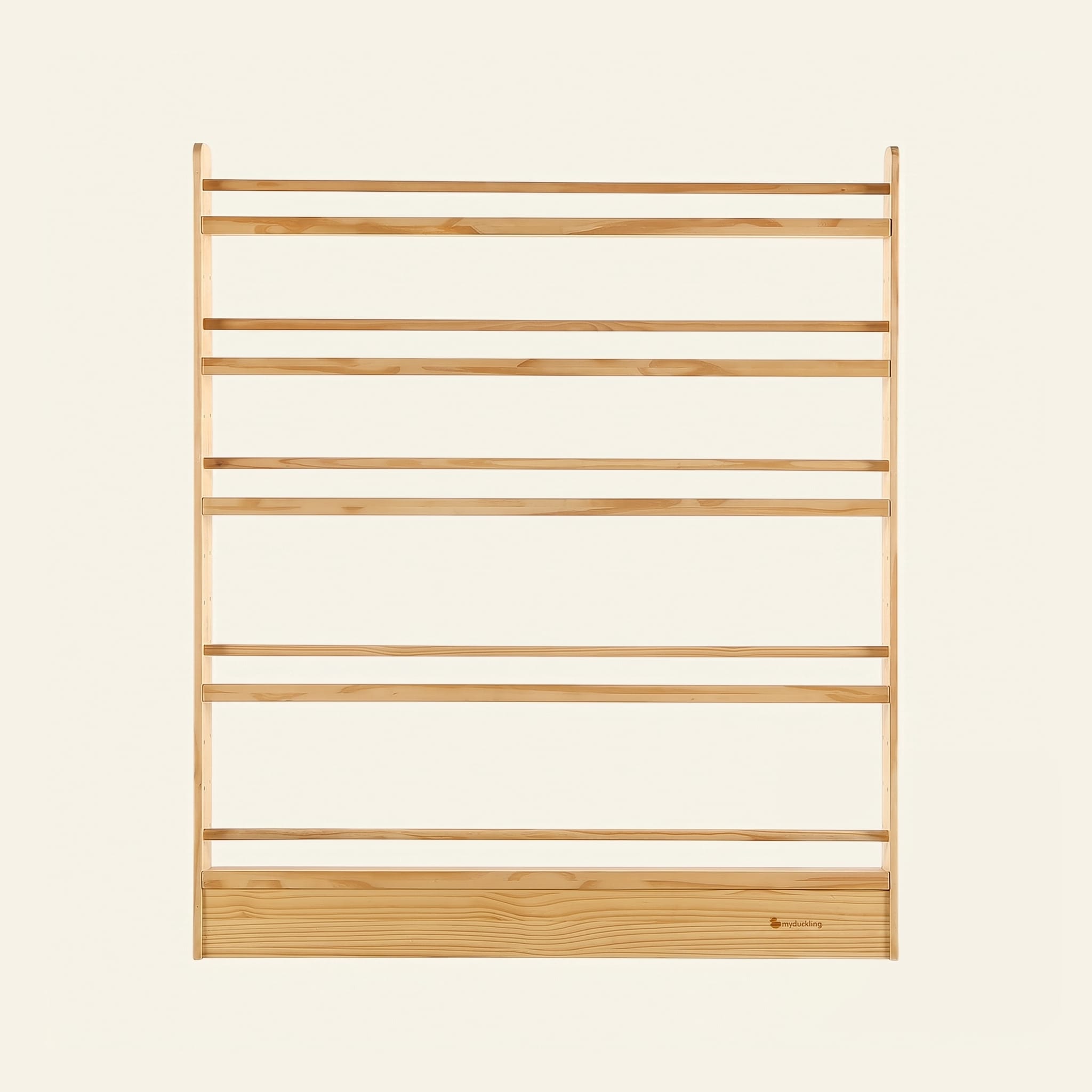
Easy to put together and fits all our books! Appreciate how well made this bookshelf is - will be a great part of our kids room for a long time

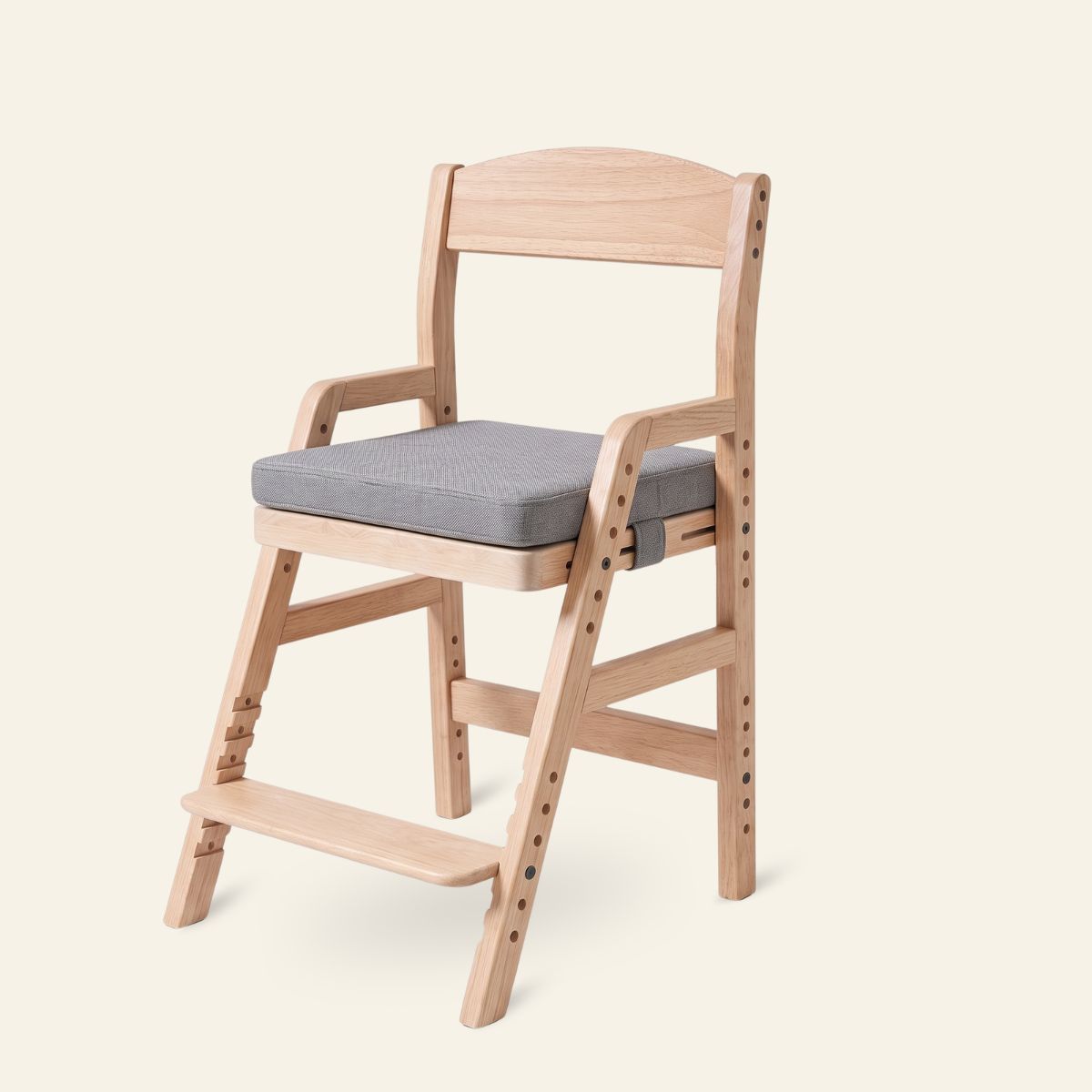
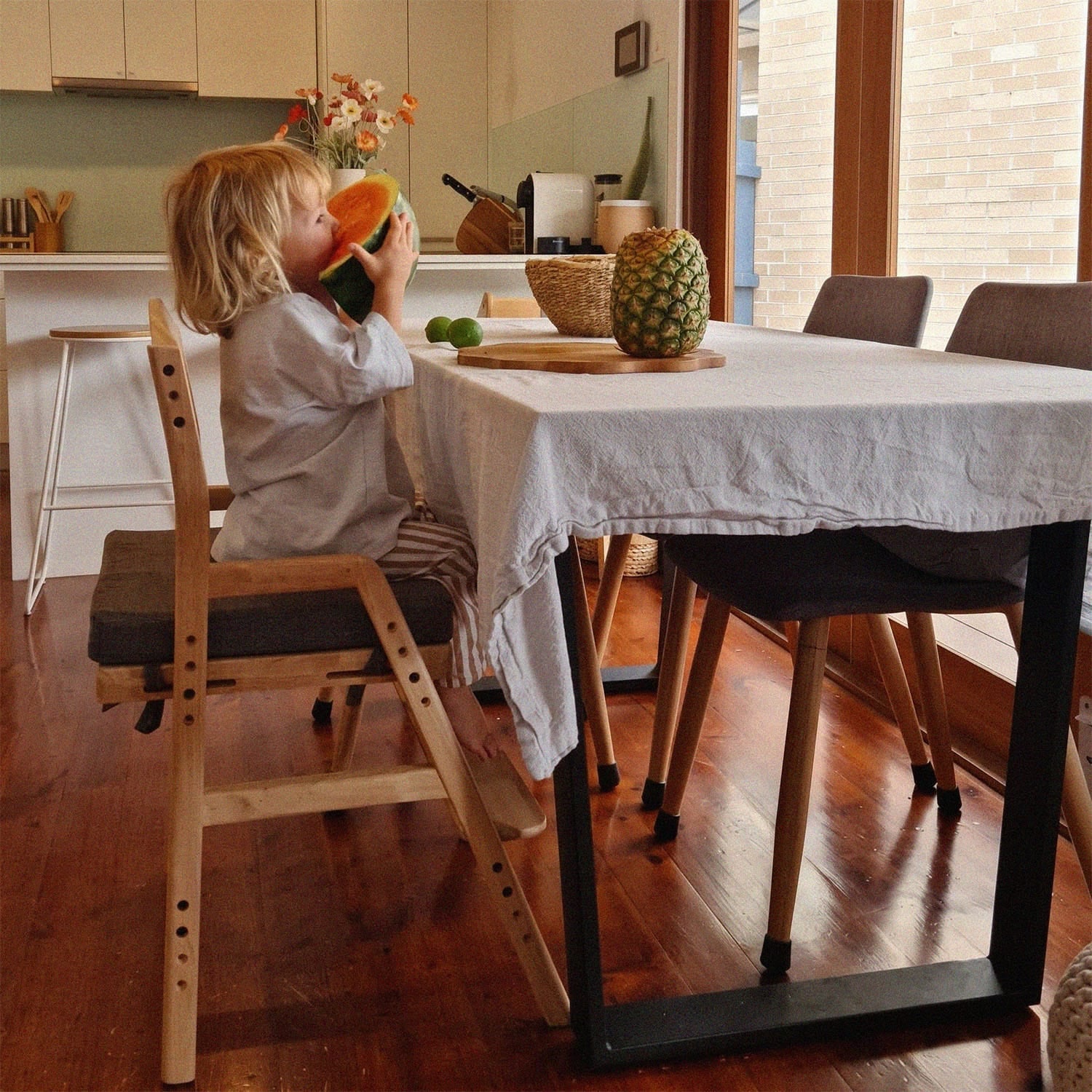
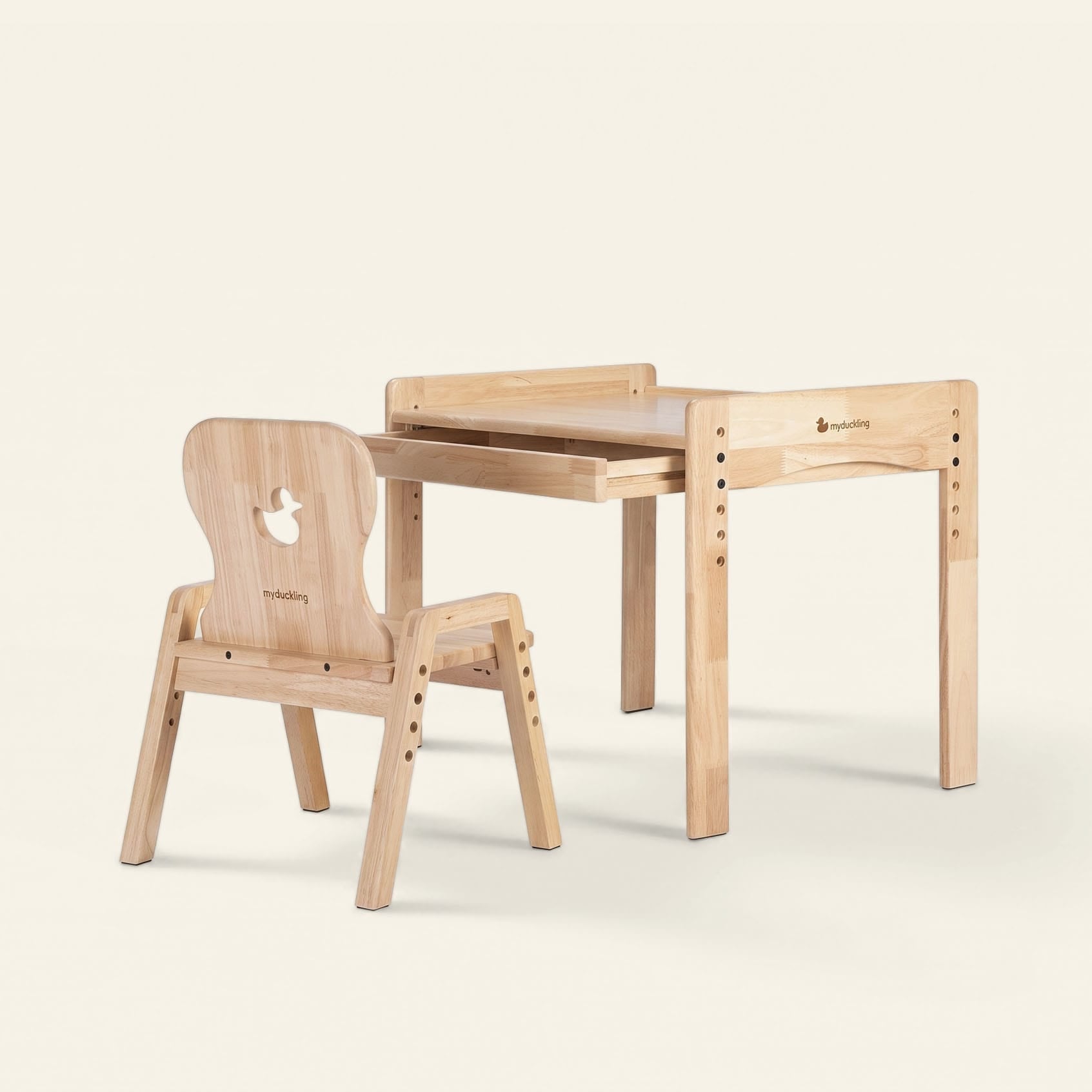
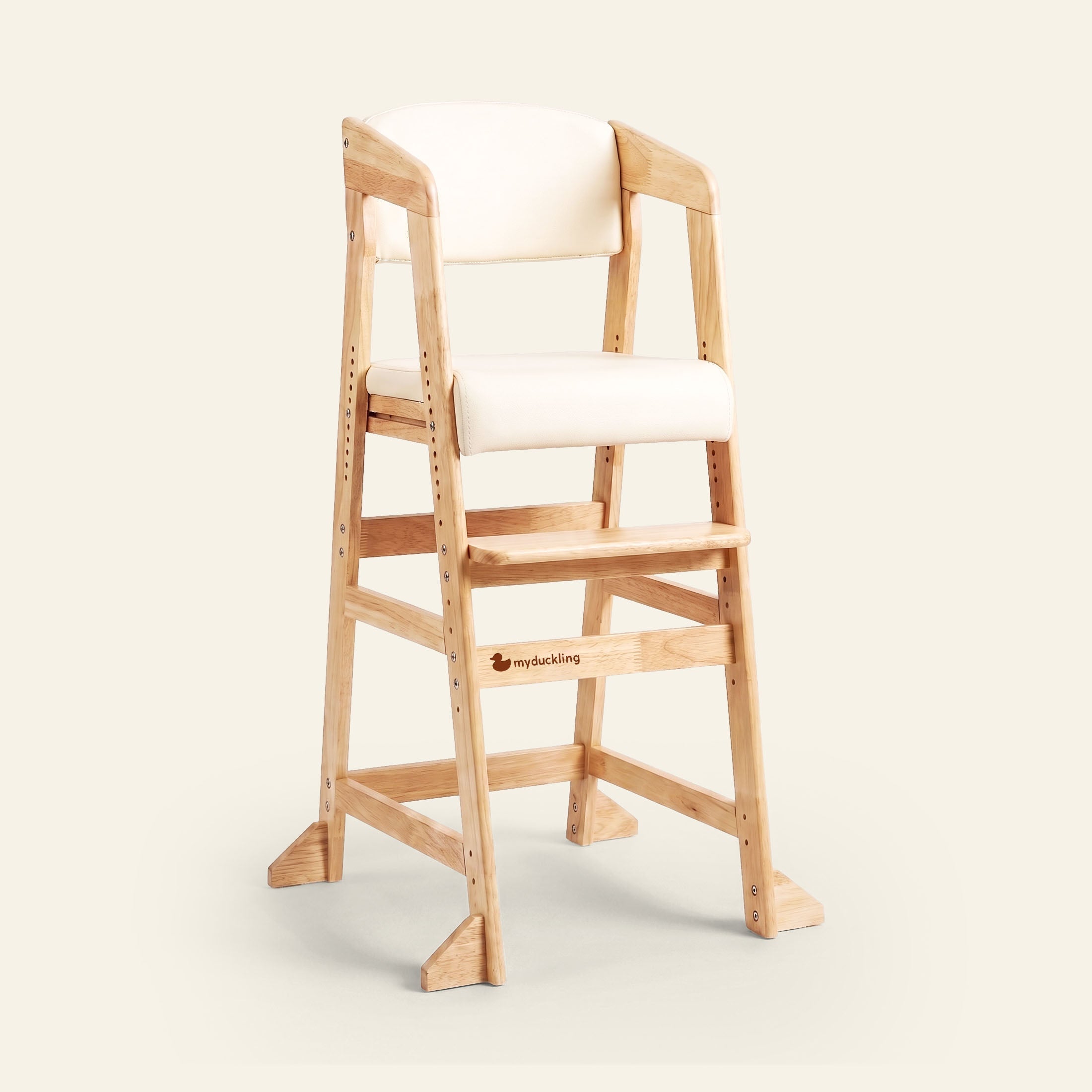
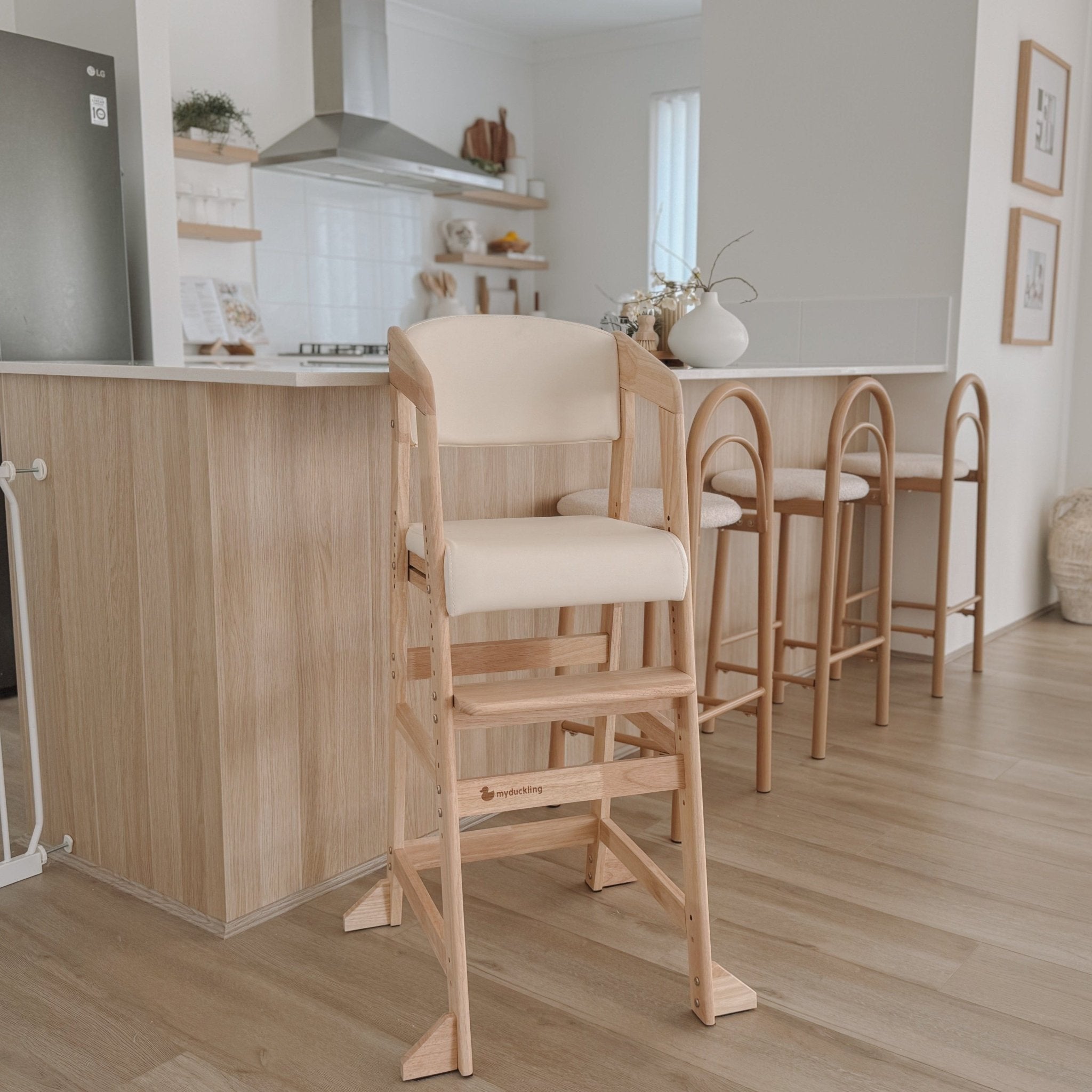
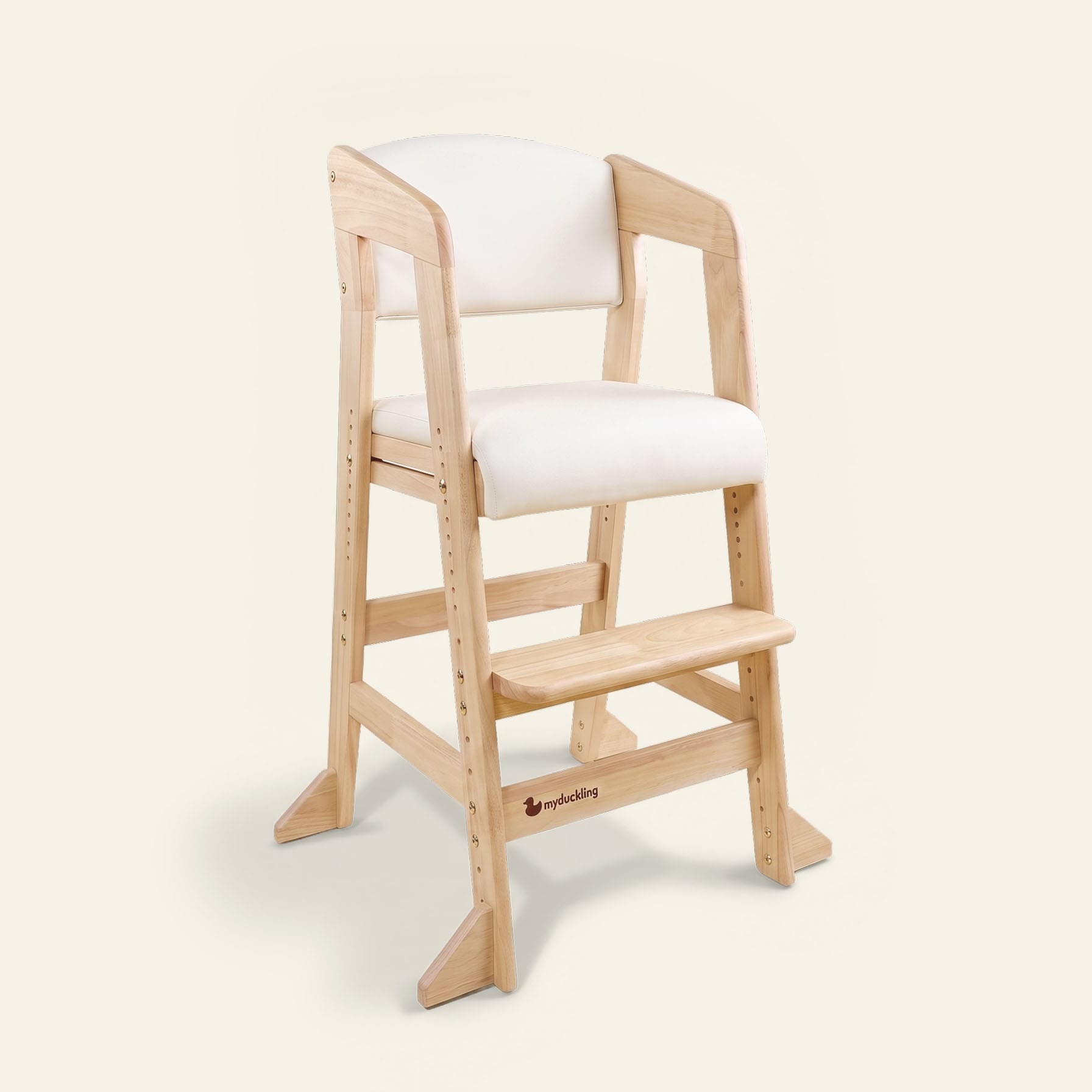
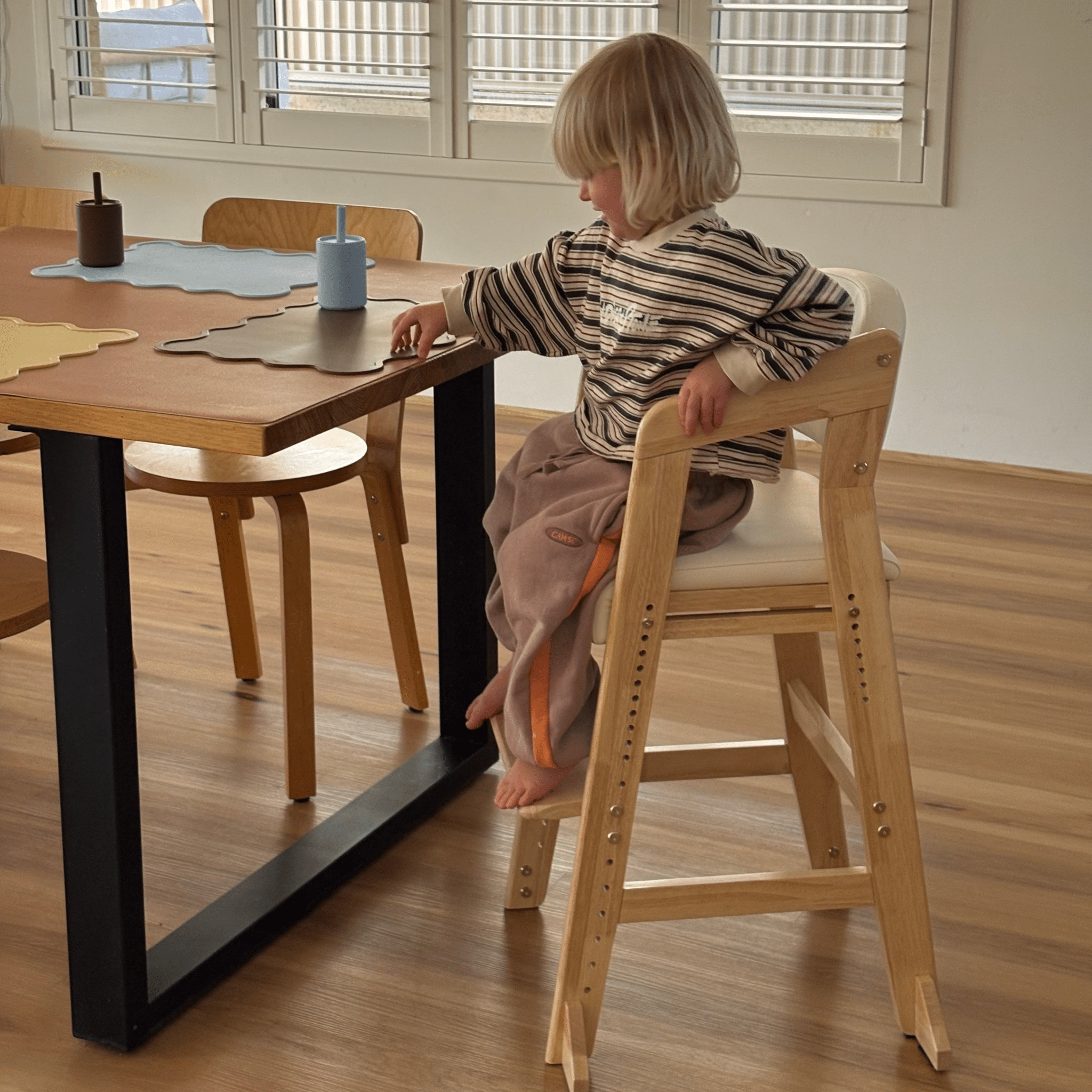
I am loving this chair for my 2.5 year old. The arm rests keep him sitting in the chair and he can easily climb in and out of it before and after meals. It is very easy to wipe and is so nice looking! It was a little challenging to put together because although the directions label the parts, the parts themselves are not labeled. I don't know how easy it is to adjust the seat and footrest once it is installed so it's best to keep at one height on a consistent basis. Highly recommend though!
It’s perfect. Well built.

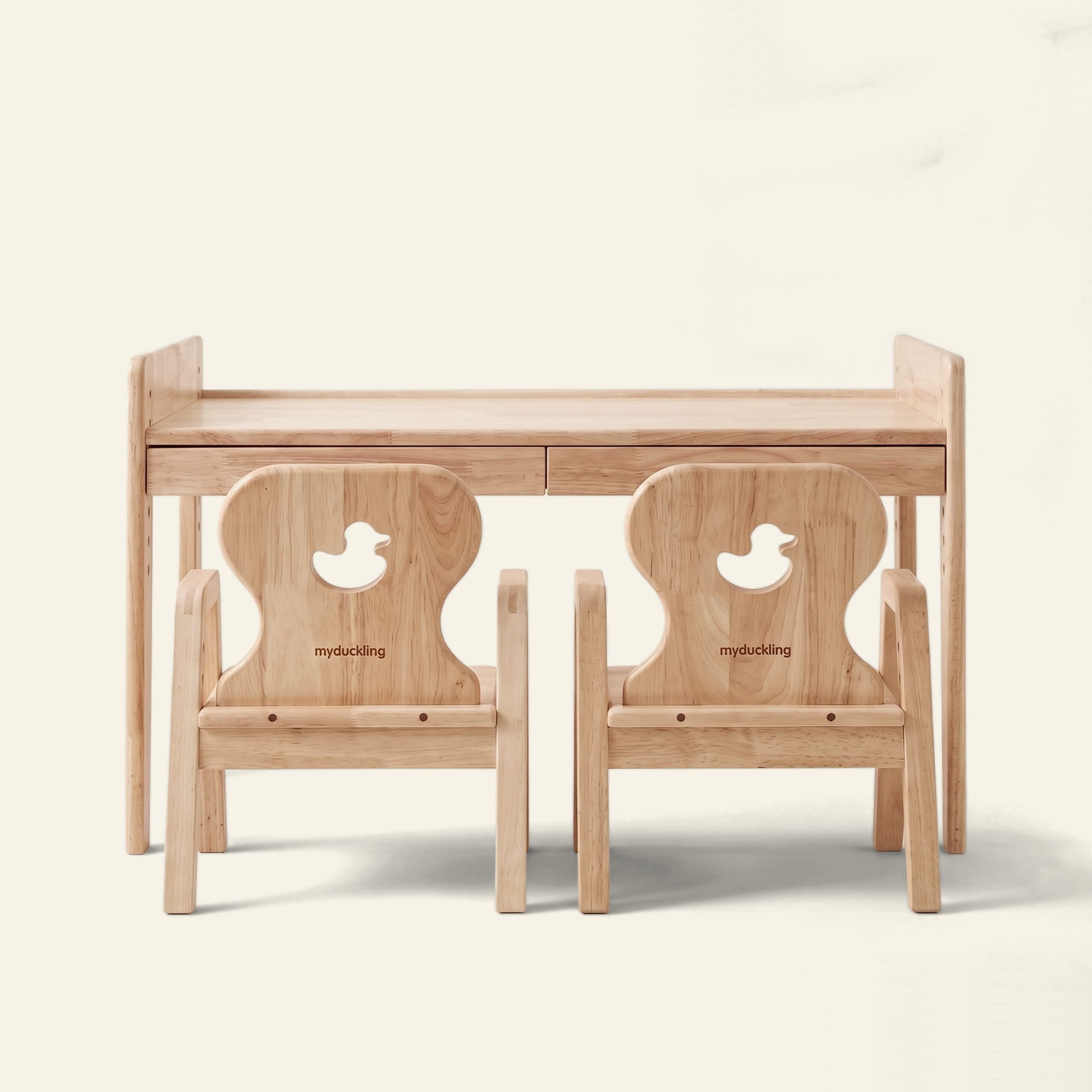
Great little table. I love that it’s adjustable.

The best product I’ve ever bought. So easy to install
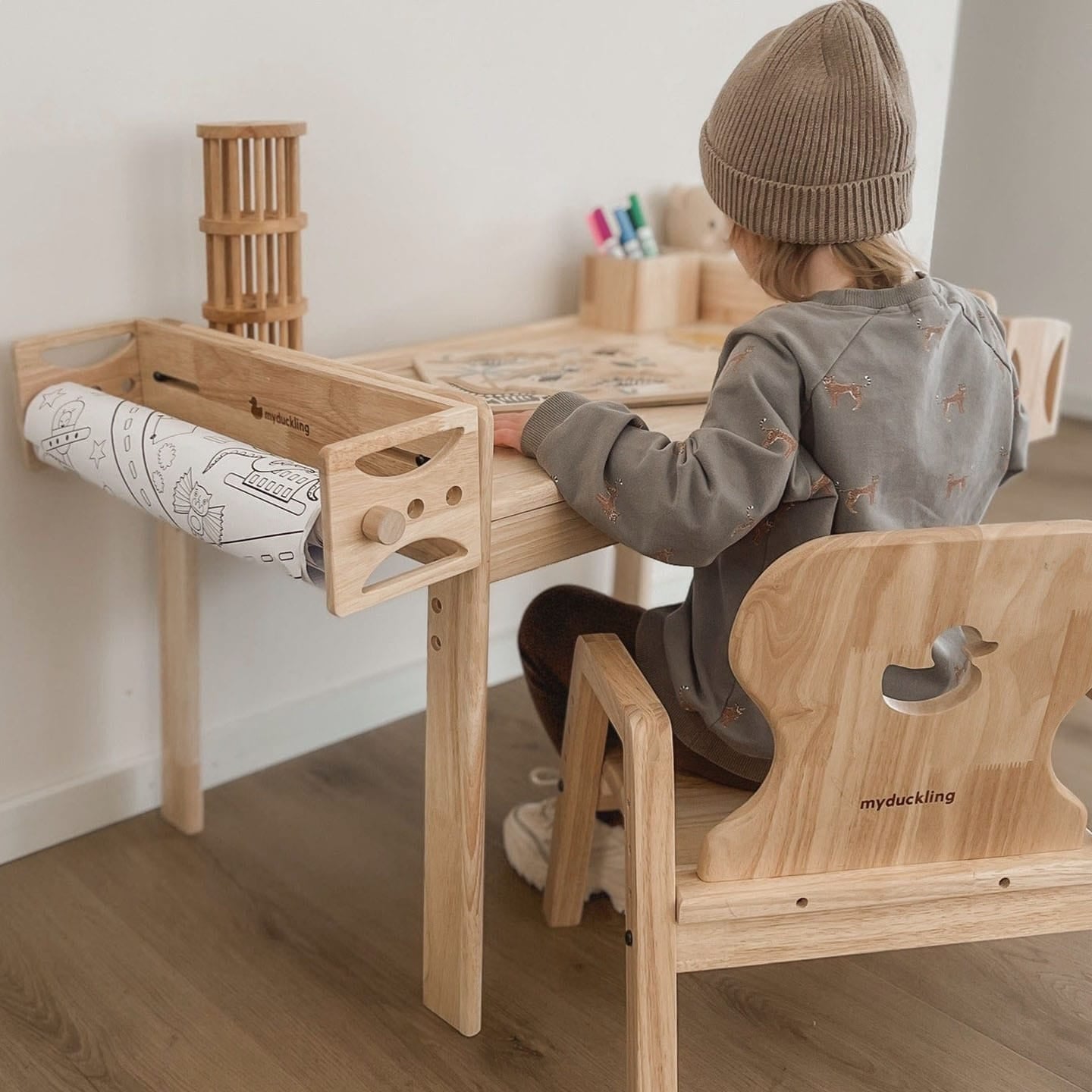
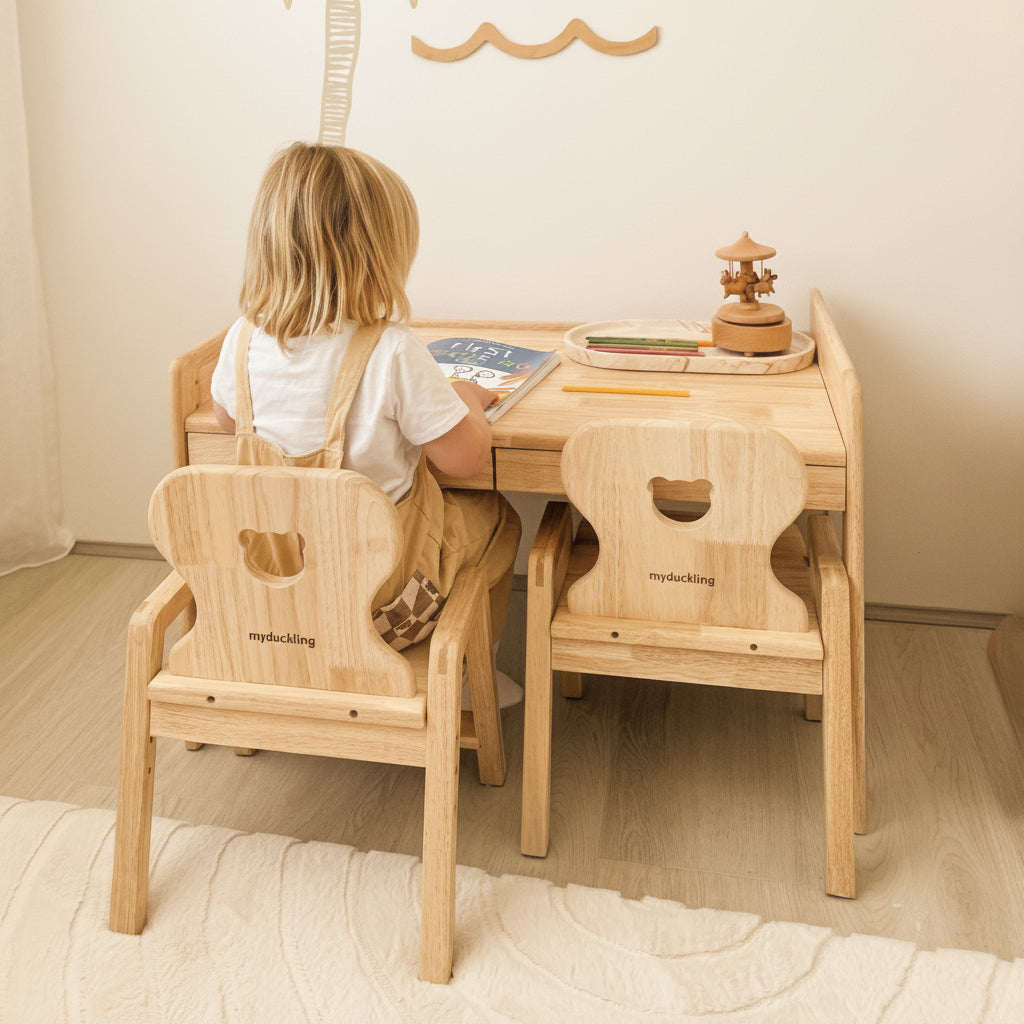
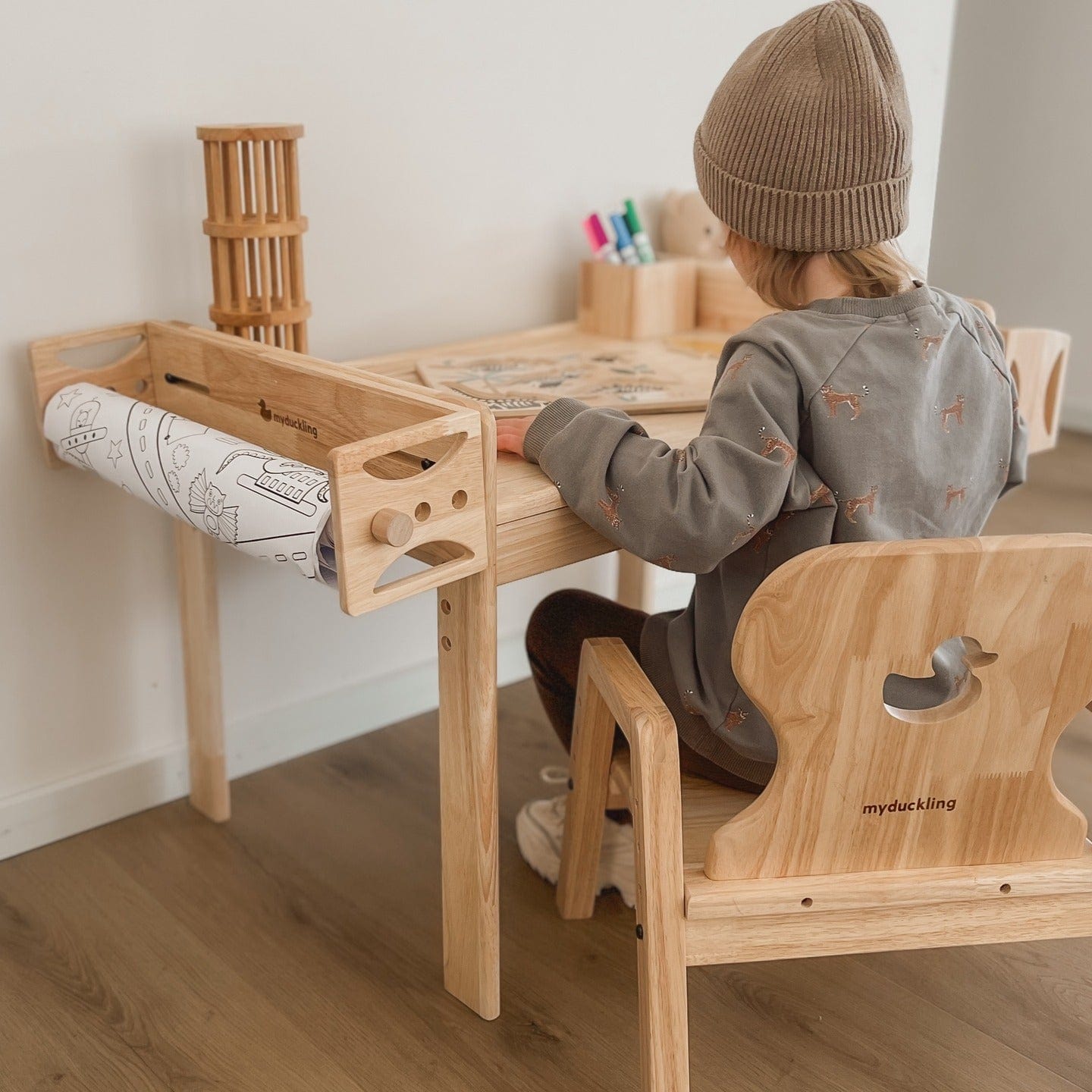
We love the desk and chairs. We didn’t notice prior to receiving but have enjoyed that the chairs have an extra little step as it offers better ergonomic support for our young toddler whose feet don’t touch the ground while sitting yet. The set was easy to assemble and it will be easy to adjust in the future. The one thing I wish is that the top horizontal section could be thicker so that when the desk is on the shortest setting, crayons and pencils would not roll off the side of the table onto the ground. For now I’ve taped some cardstock to block it off but it’s not as aesthetic of course.

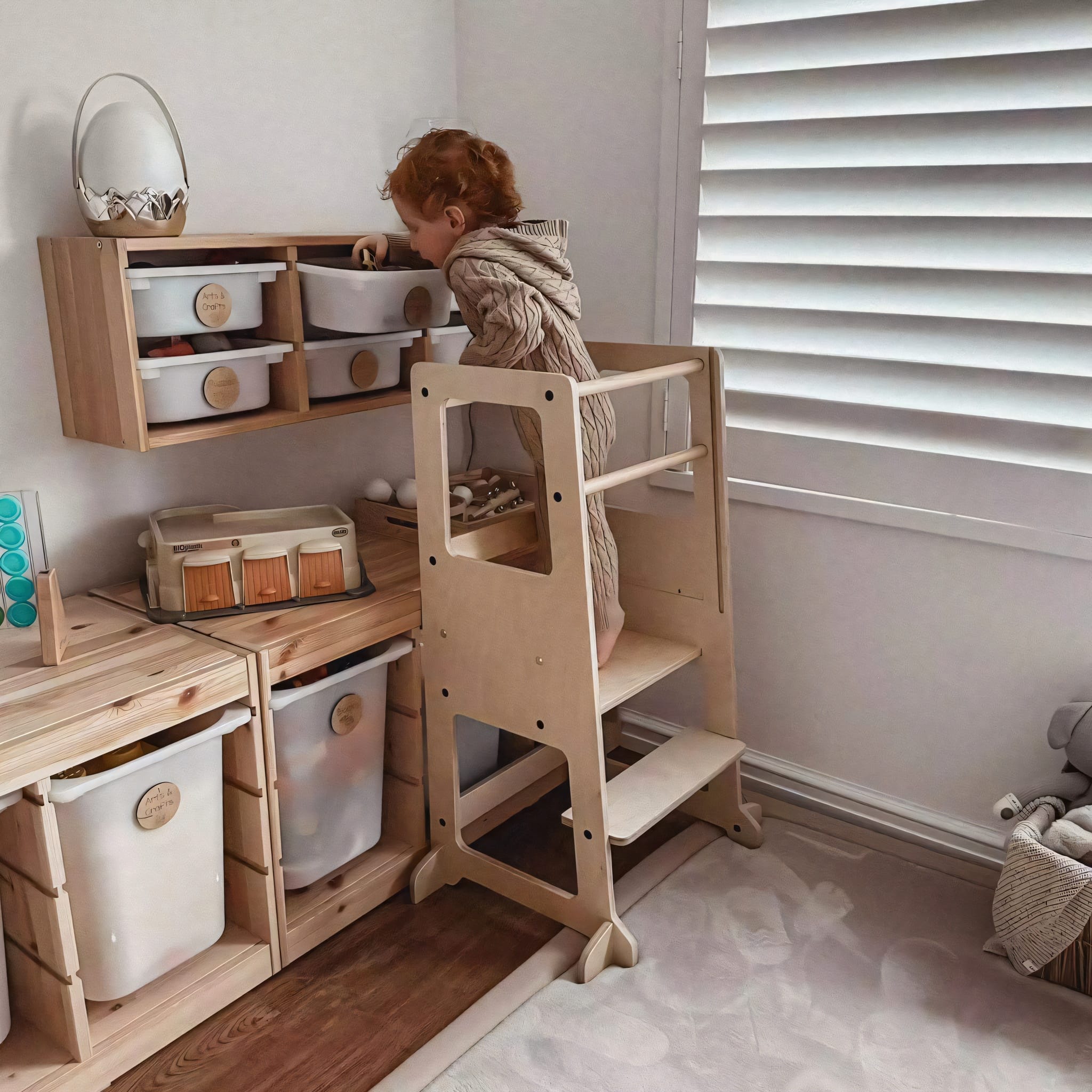
My son loves this tower. It’s great at keeping him safe and occupied while we’re in the kitchen.

Solid shelf. Currently using it as a floor bookshelf.

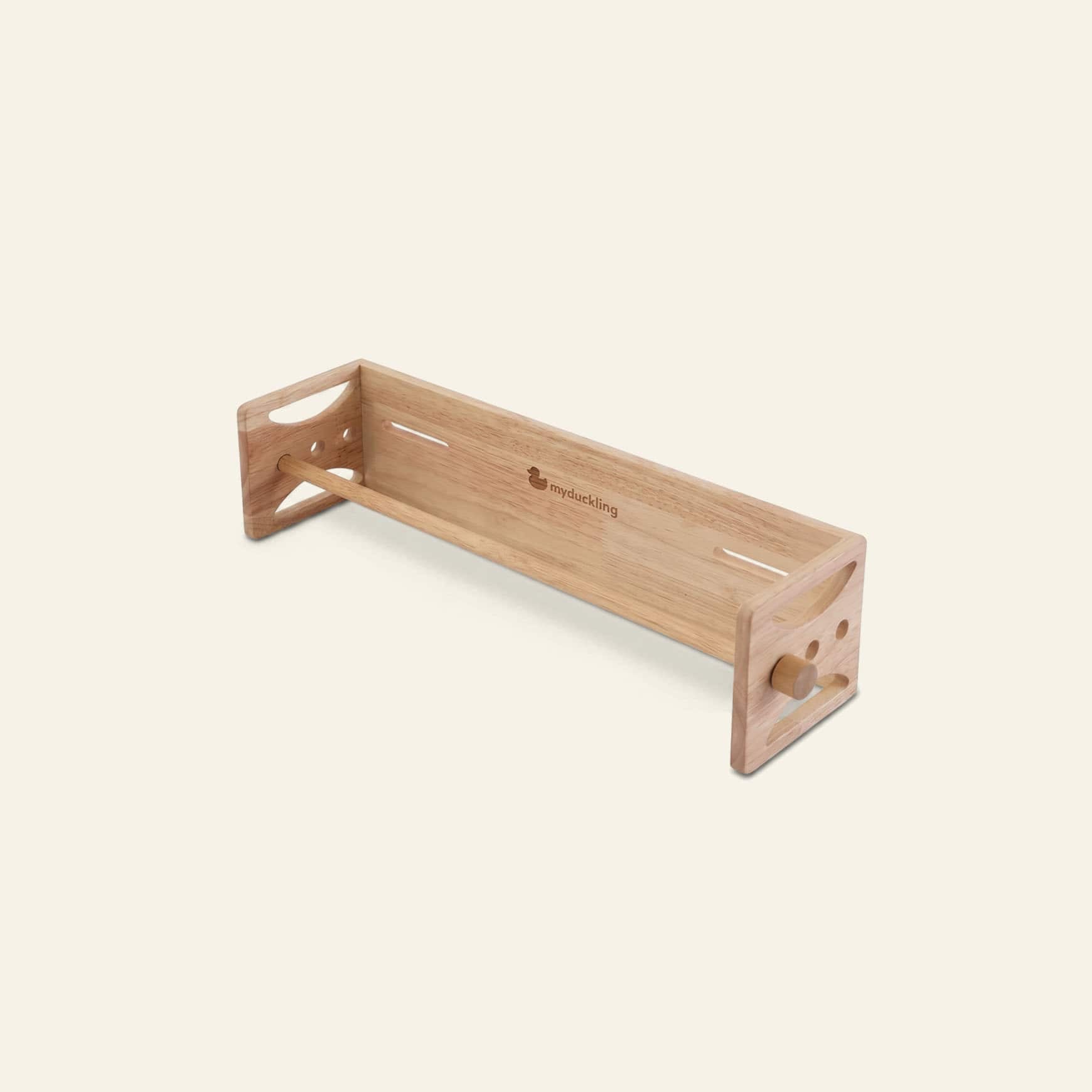
Sturdy paper dispenser. Fits the IKEA paper roll.

Very well made. My daughter loves it. She is so excited that she can stand next to me in the kitchen instead of being in her play pen.

My daughter loves it. It’s very sturdy and good quality. Heavy enough that she can lift herself up and it doesn’t tip over.
Good size for toddler and high quality material.

Well made easy assembly pleased with item.

We have had our kitchen tower for a few weeks and my son is absolutely LOVING it! Assembly was no problem and it is easy to fold away when we need it. It is the perfect height for our little guy to be able to reach the sink and counter top and he is able to easily navigate climbing up and down. It's also beautiful in our kitchen.
One thing I noticed about this tower vs. others I was looking at, was the little extra supports at the feet. I do think they add some additional stability and support and not a lot of foldable towers have them
The title sums it up! Assembly took a bit of time (maybe 1 hour?), but it was not overly complicated. The chair itself is really attractive and a nice addition to our space - love that it is so adjustable and we can move it as he grows.
One thing just to take note of - it is slim, which means it is exactly right sized for toddlers. However, typical boosters do not fit in it, so just something to be mindful of if you were planning to transition a bit early when your little one may still benefit from some straps.
Overall, so pleased we went with this! I am glad we found myduckling!
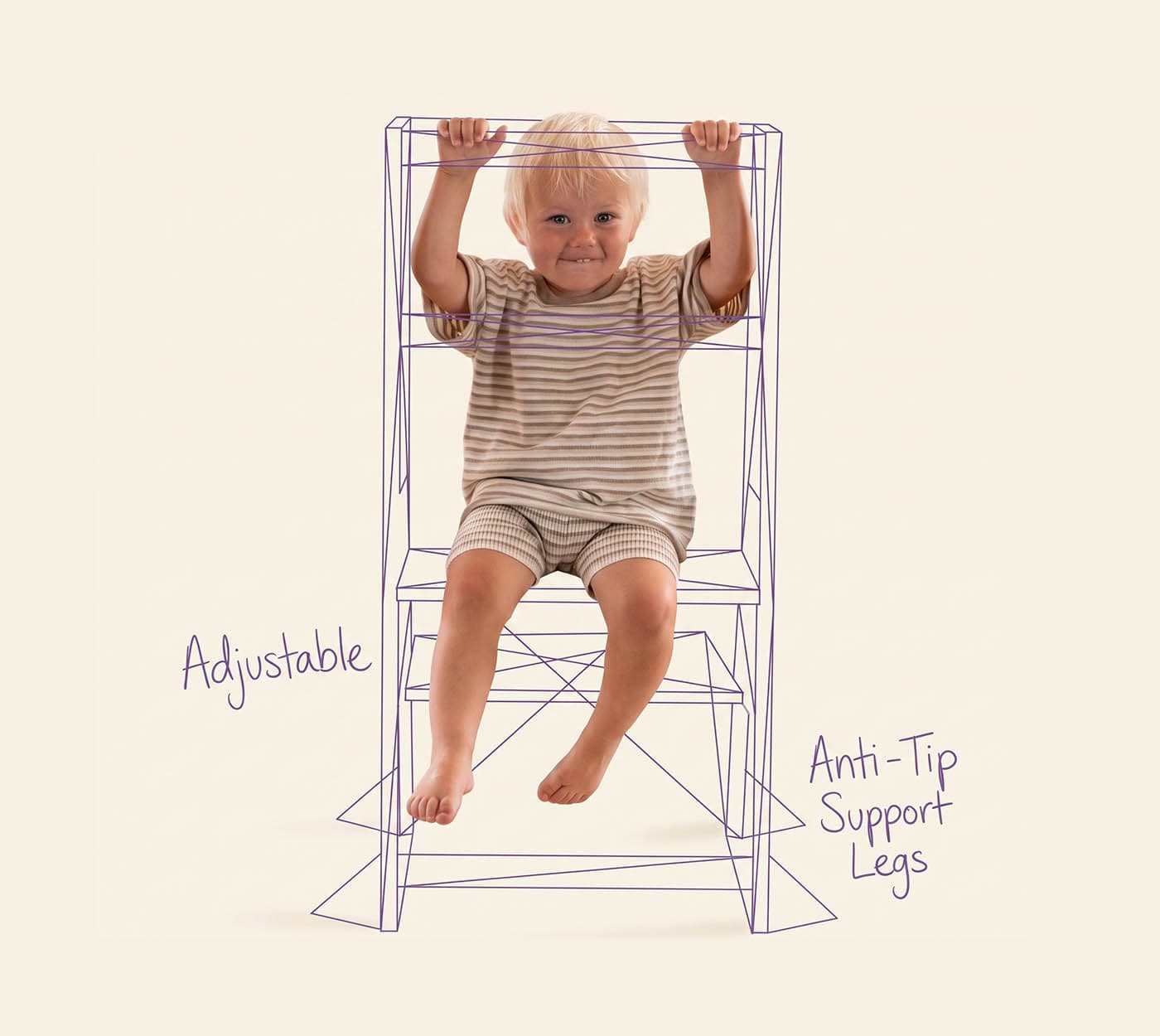
Drawn around the child
The child first, then the furniture
Most children's furniture is designed to fit a room and then scaled down.
We start the other way around, beginning with the reach of an arm, the distance from the seat to the floor, and the height of a kitchen counter in an American home.
Every detail in the design follows from there, from the footrest and splayed anti-tip legs to the safety rail, thoughtfully positioned at chest height rather than chin height.
Tested like a toy, built like furniture
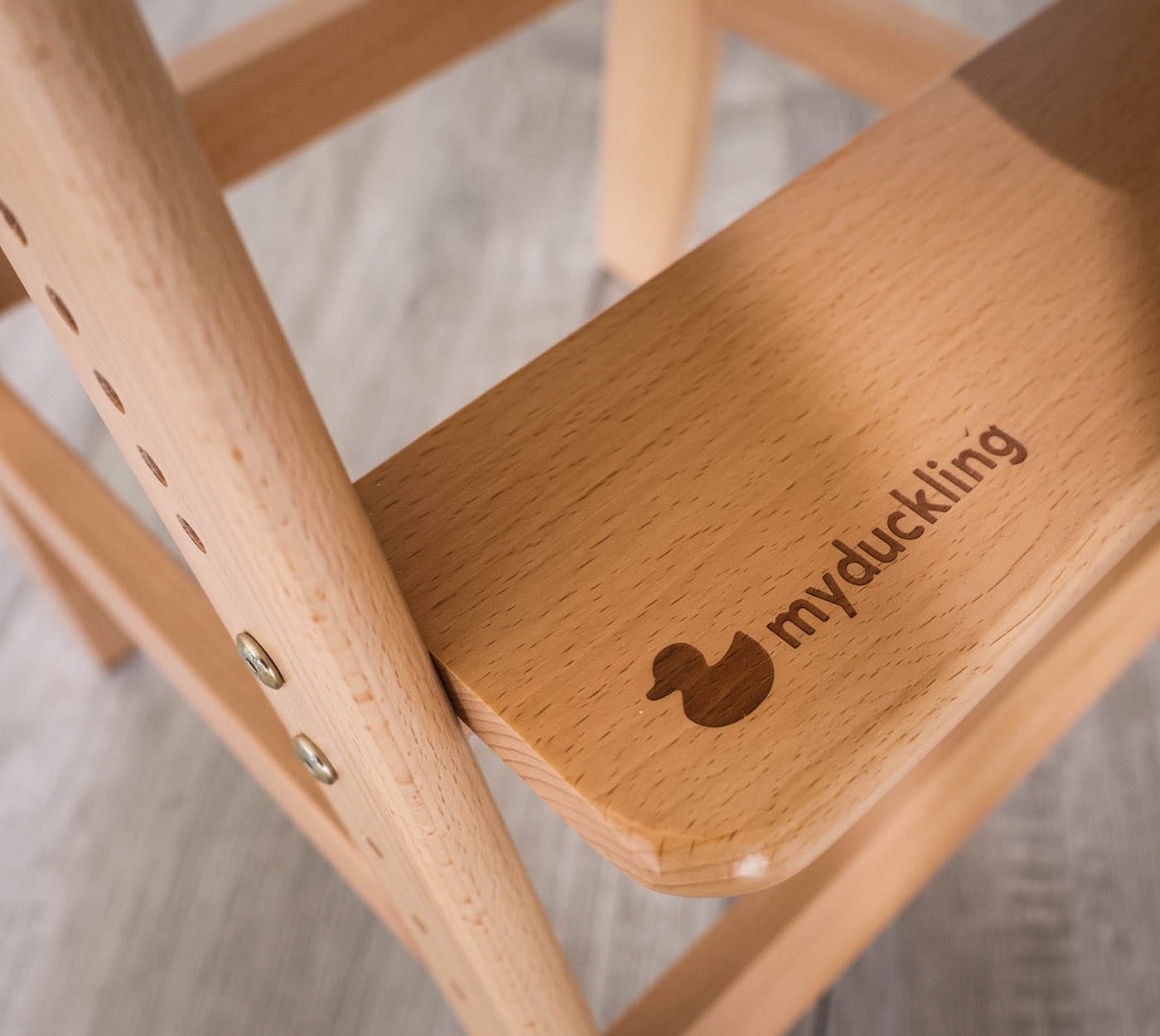
Safe by design
Corners are rounded and sanded by hand because a footrest can sit at exactly forehead height for a smaller sibling. Then there's the part you can't photograph.
A kitchen tower is furniture that a child climbs, so we test it the way a toy gets tested, including structural strength and stability, tip-over, torque and tension, pinch and compression points, lead, and phthalates. It is then certified to meet CPSC requirements for children's products.
read more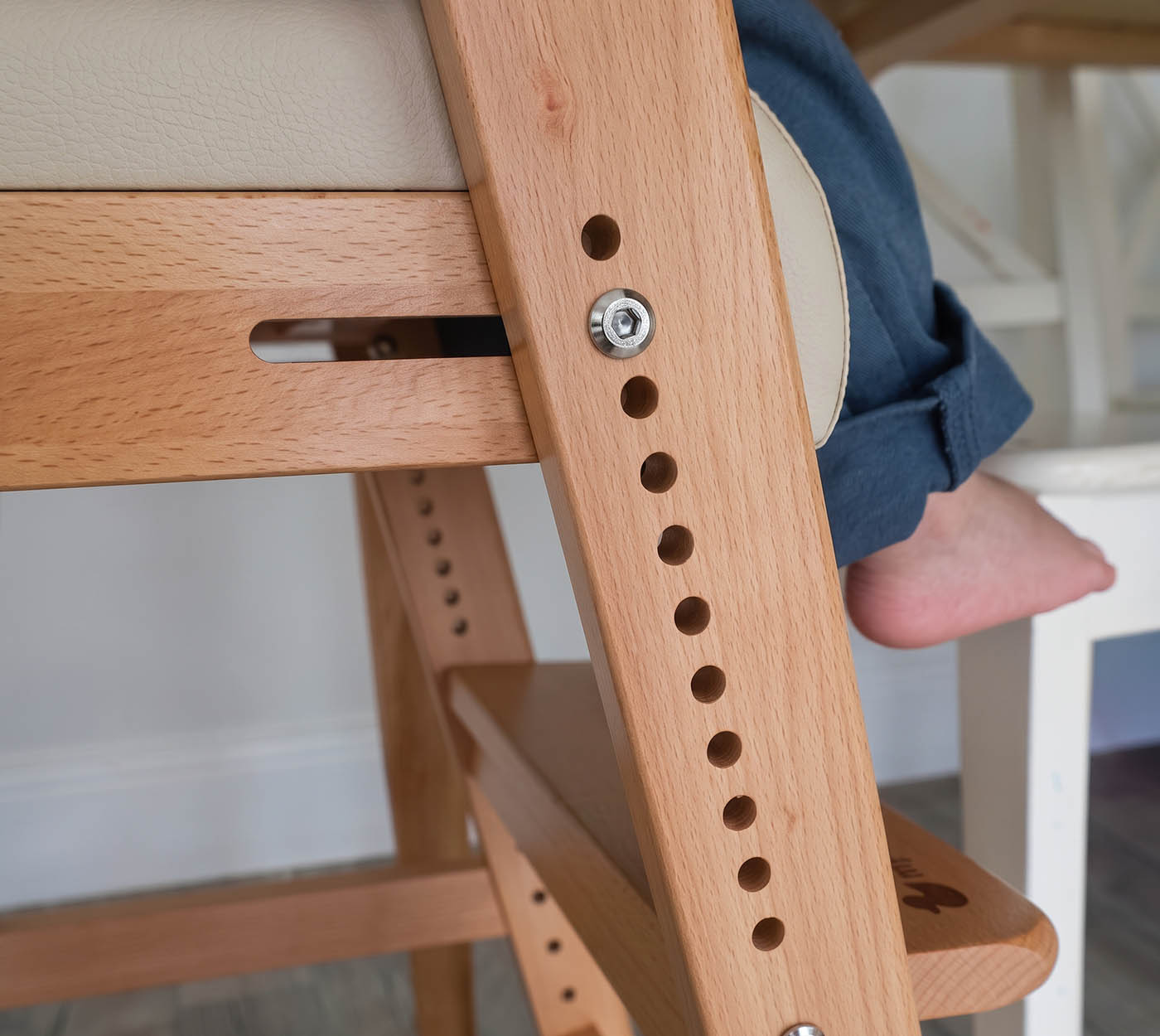
A ladder of small decisions
Set it again next year
Adjustability is designed into our products with long-term use in mind.
As children grow, seats and footrests can be repositioned to provide the support they need at different stages.
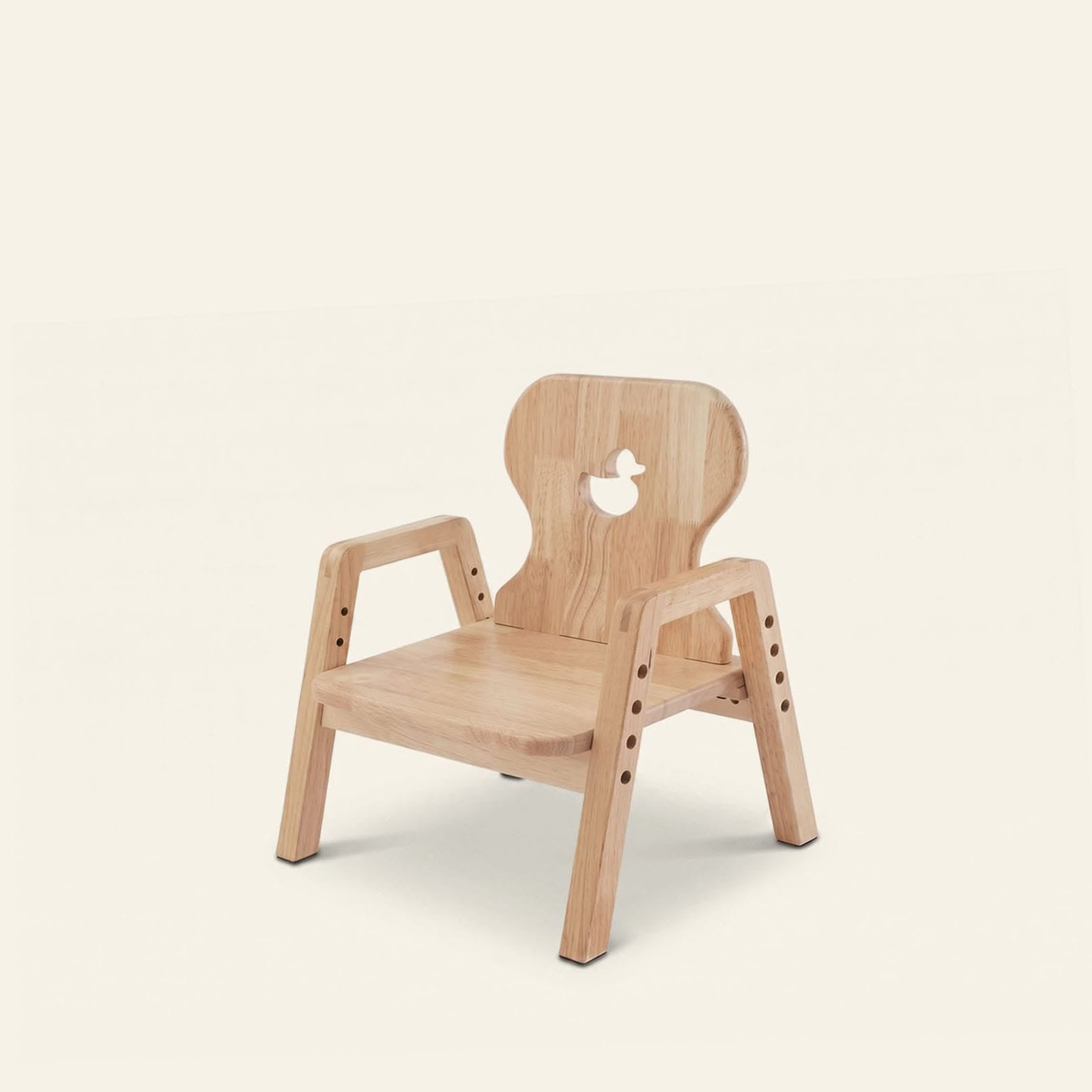
Across much of our range, thoughtful adjustments help each piece adapt as your child grows. Our Toddler Dining Chair alone offers eight seat heights and five footrest positions.
Where every piece starts
The materials we build with
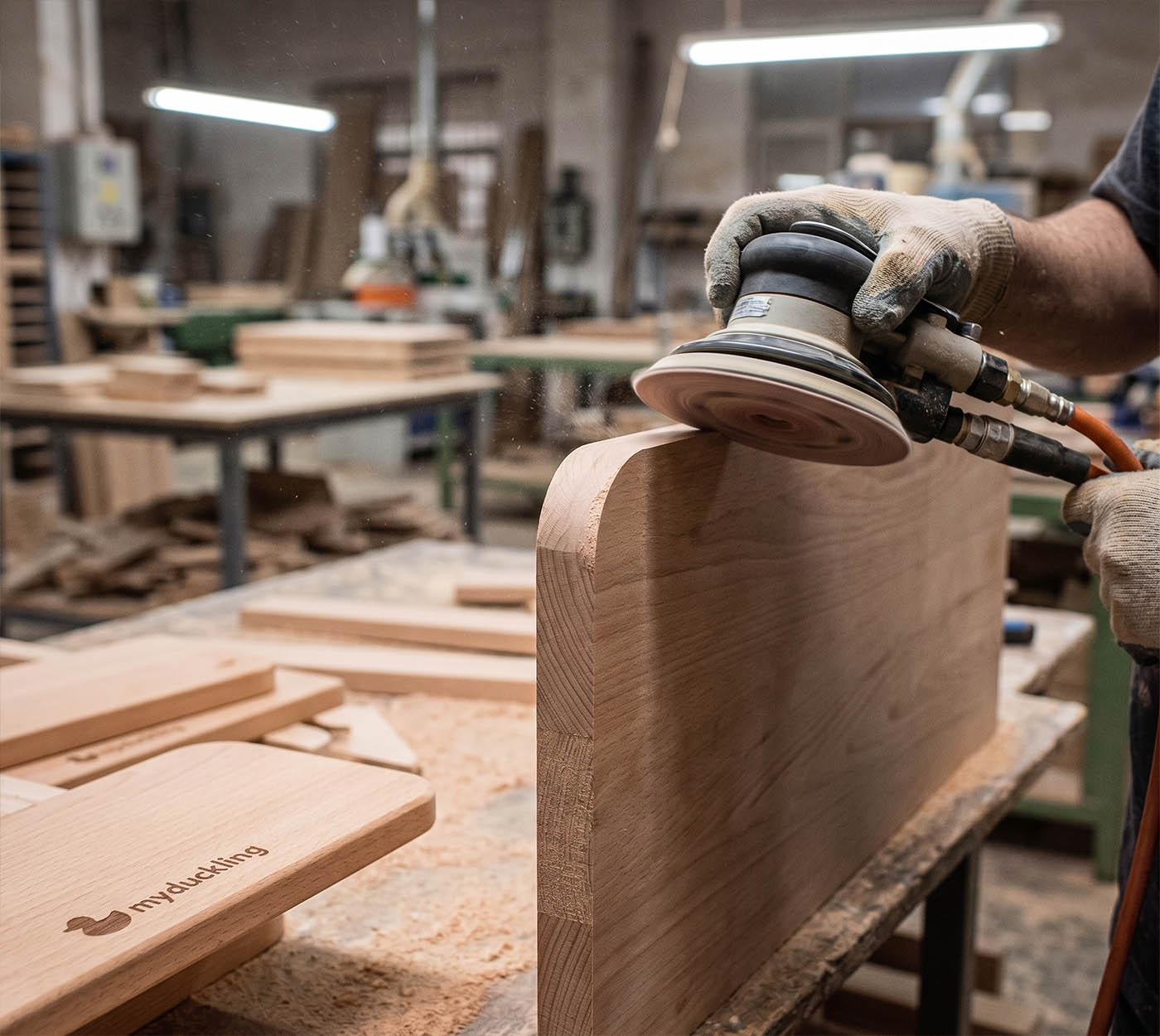
Everything we make begins with the materials we choose. From the wood itself to the final hand-smoothed edges and corners, every detail is considered with children and everyday family life in mind.
We work with four different woods, selecting each one for its natural qualities, strength, and suitability for the piece we’re creating.
All wood materials we use are FSC certified, supporting responsible forest management and thoughtfully sourced materials. Our choices are guided by what each piece needs to do and how it will be used, rather than simply what’s easiest or cheapest to manufacture.
The one that stays put
Solid, and you can see it
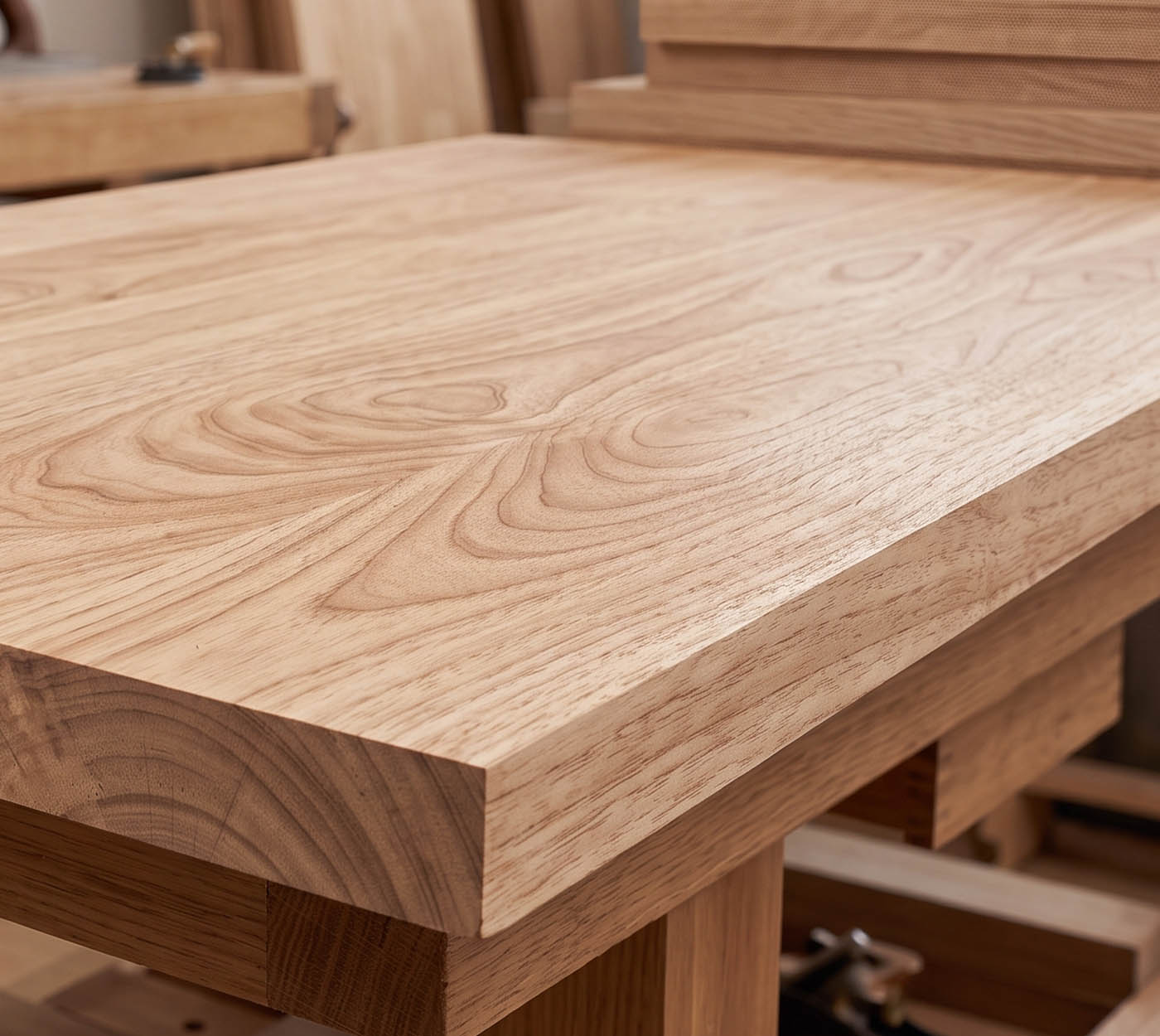
Look closely at the edge and you'll see narrow boards, carefully planed and joined side by side, then sanded to create a smooth, seamless finish.
That's solid rubberwood, a genuine hardwood with a naturally straight grain and warm, light tone that can deepen over time with exposure to sunlight. It offers a balance of strength, stability, and practical weight.
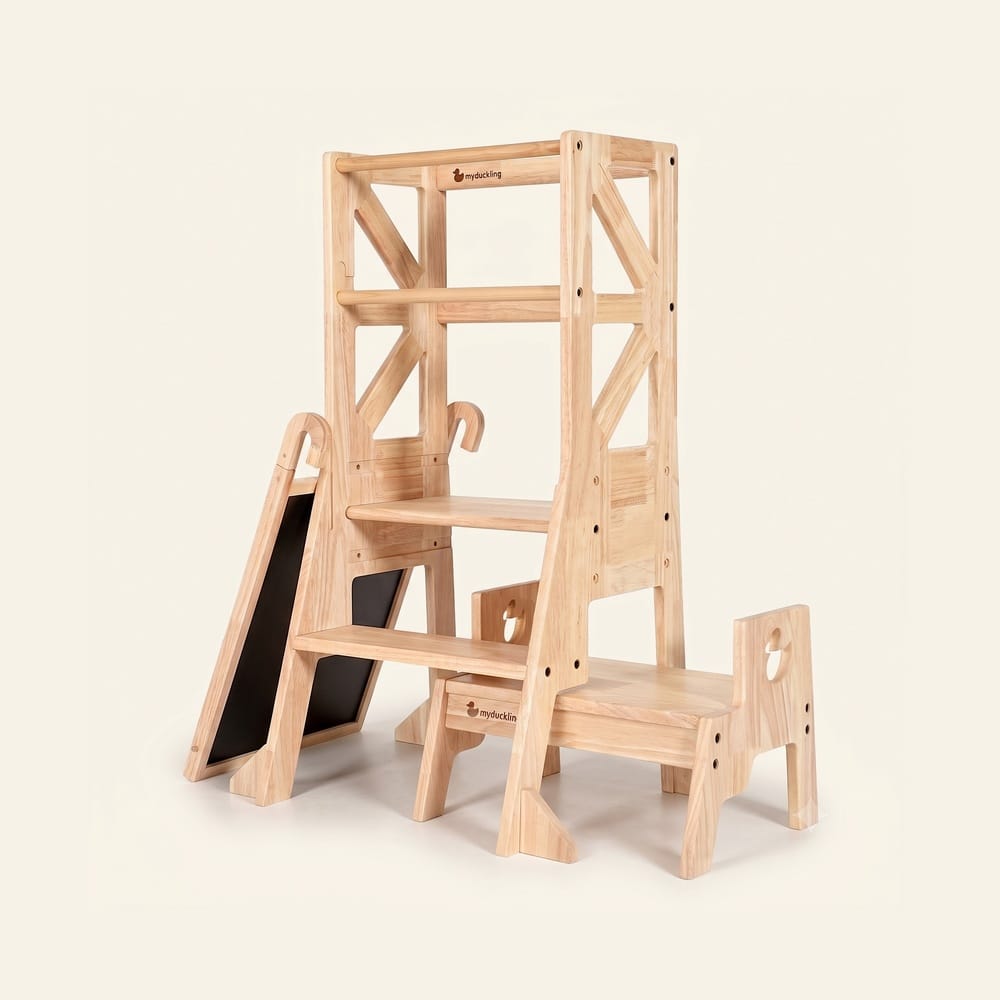
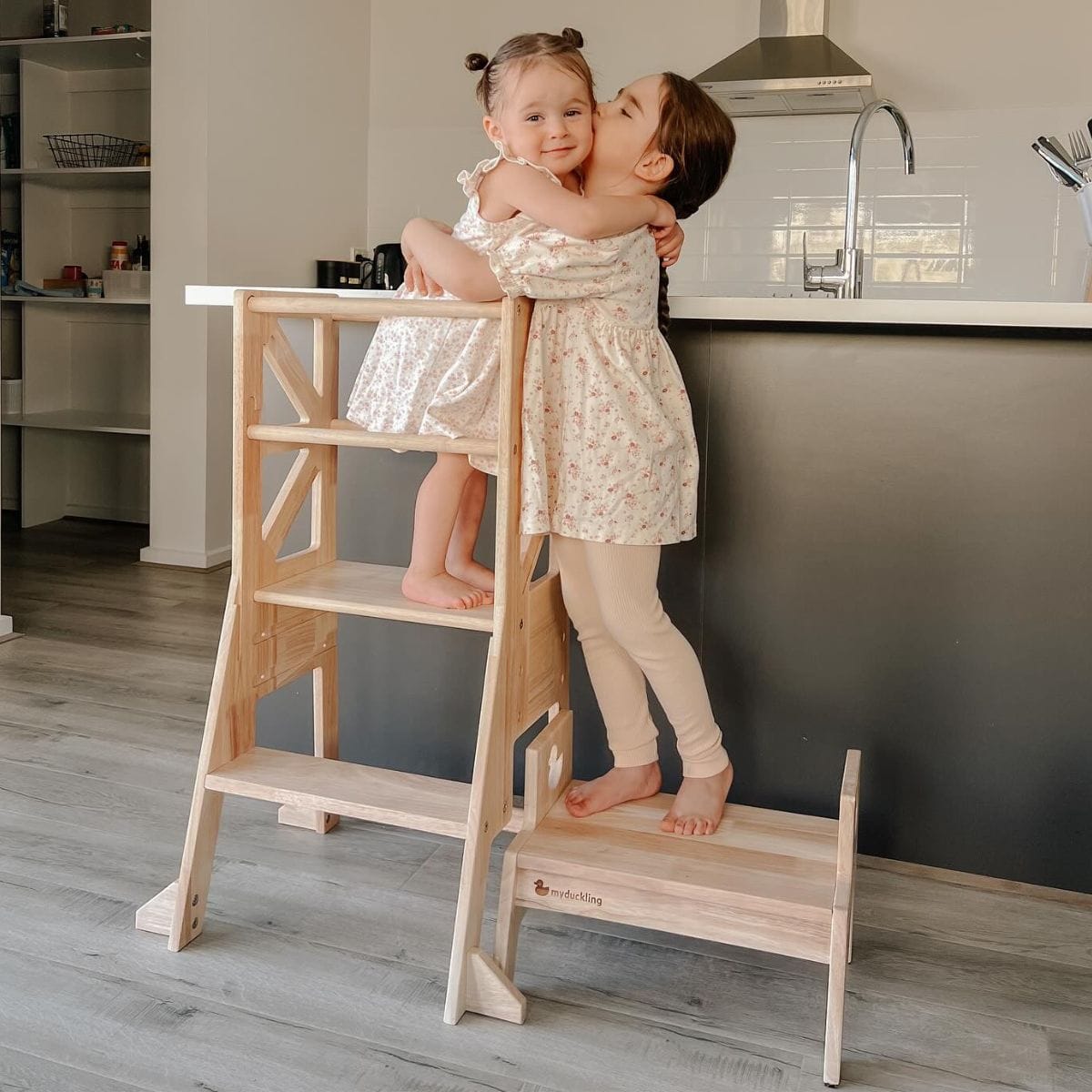
Our solid rubberwood kitchen tower feels sturdy and grounded while in use, yet remains easy for an adult to reposition and slide back against the kitchen counter.
The precise one
Made to turn true
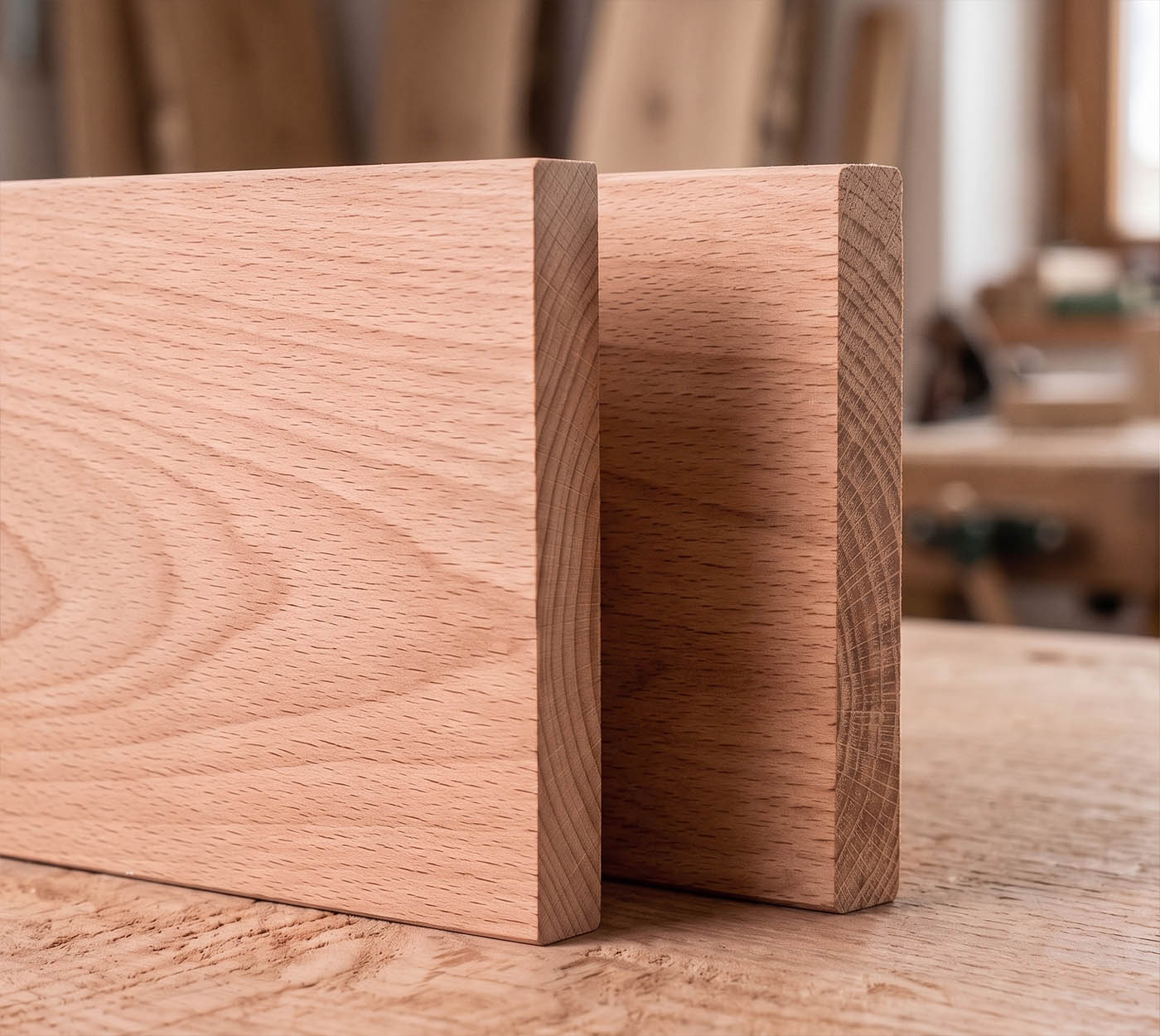
Stand a piece of beech on its end and you'll see its character in the tightly packed growth rings and fine grain.
Its natural density and strength allow it to hold clean edges and precise joints, making it well suited to detailed craftsmanship.
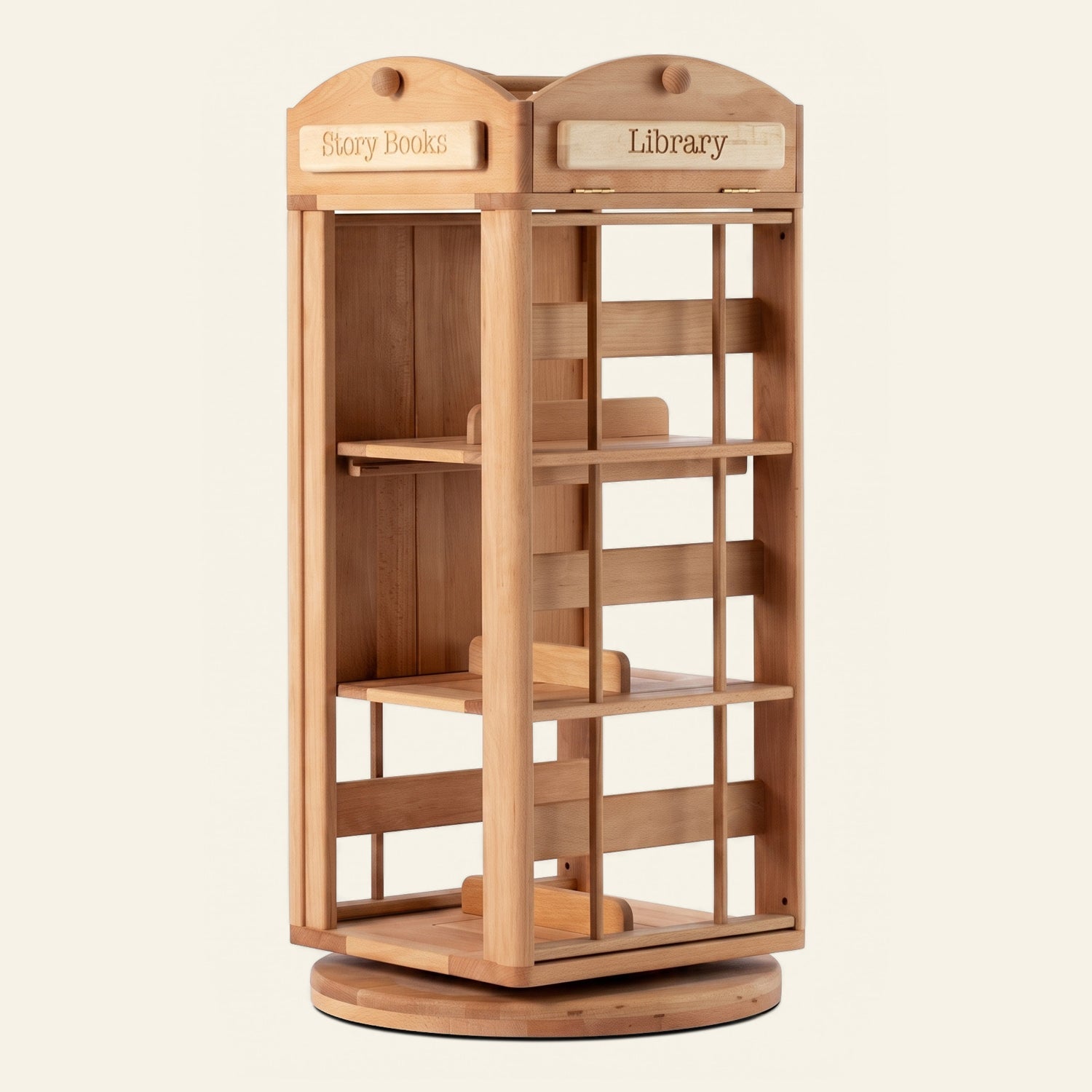
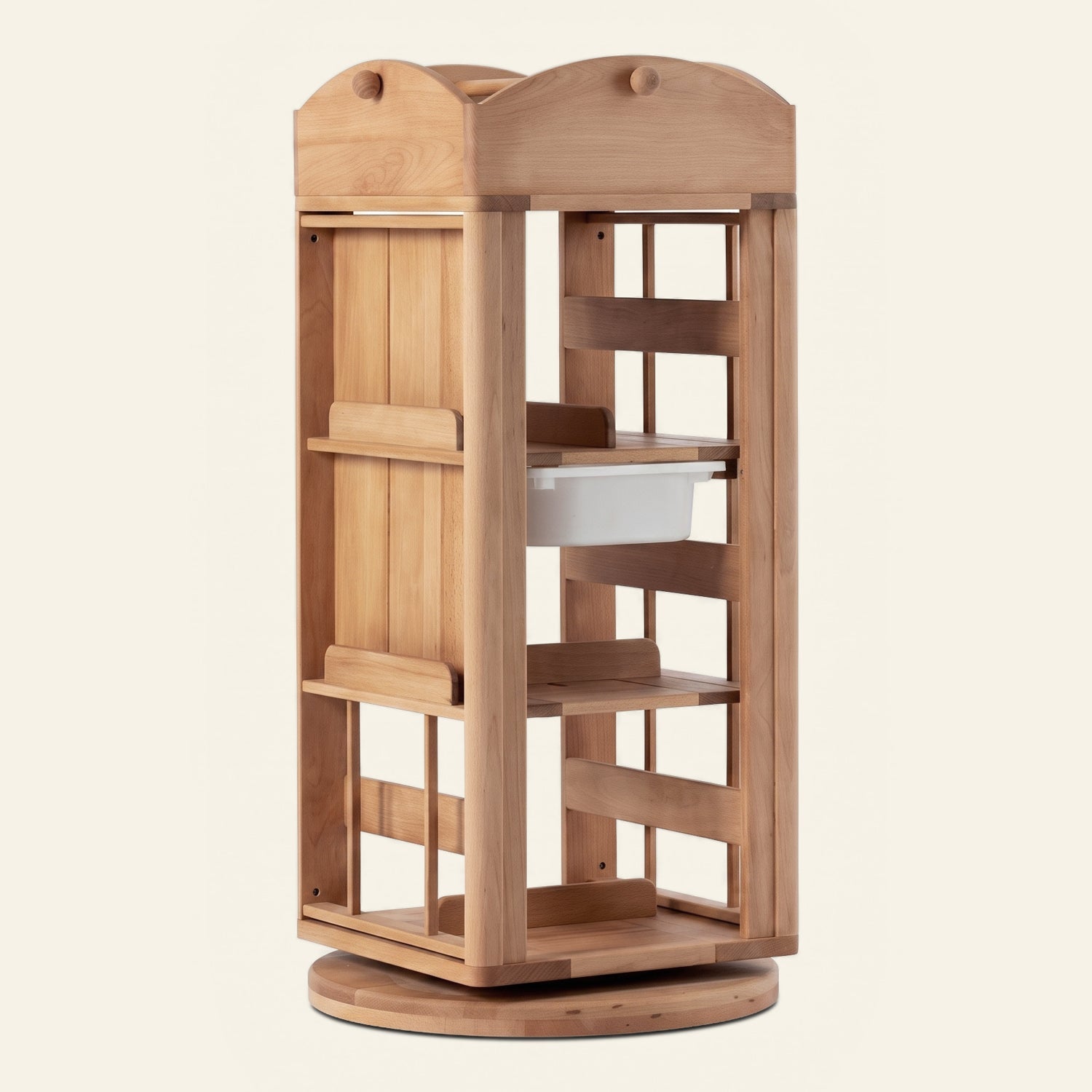
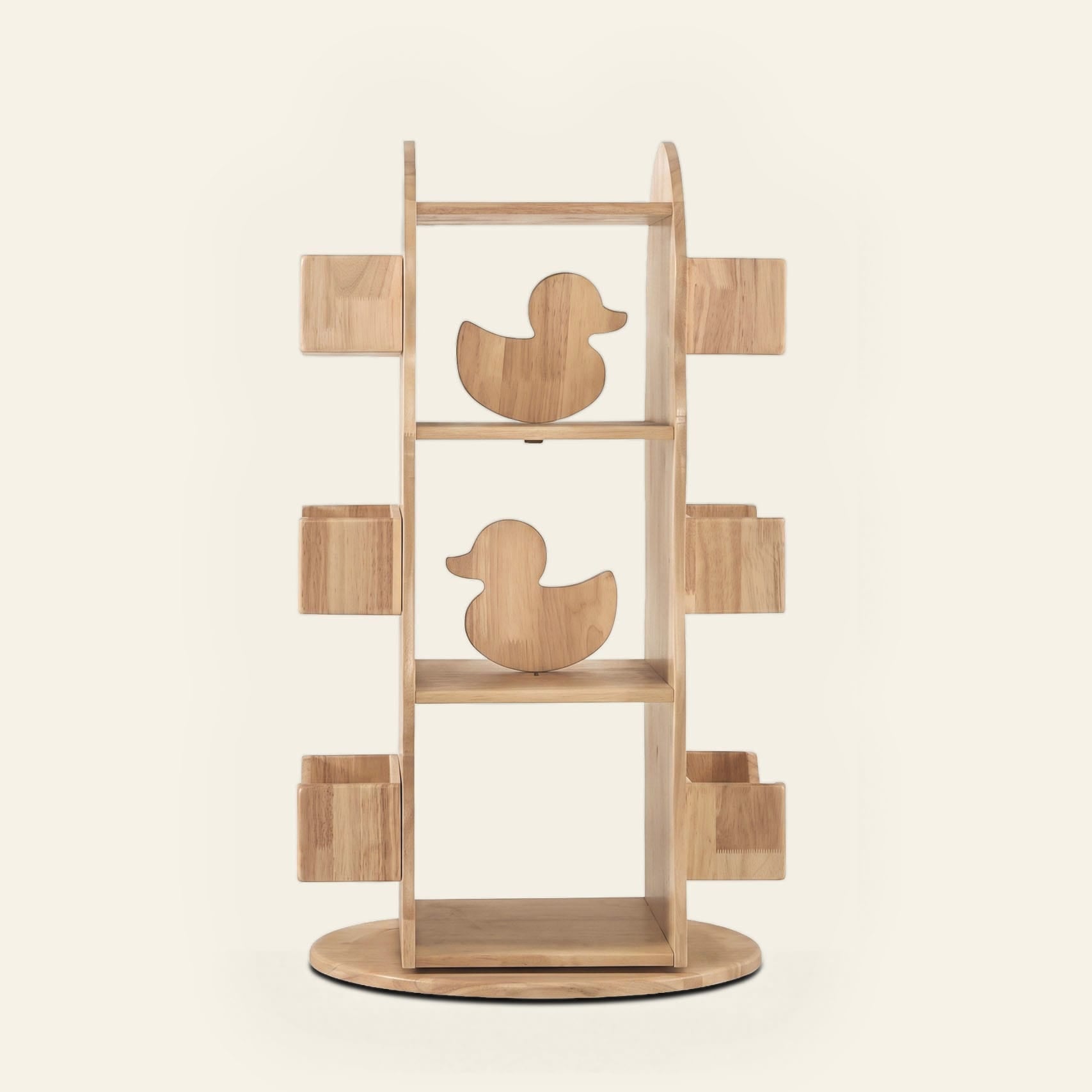
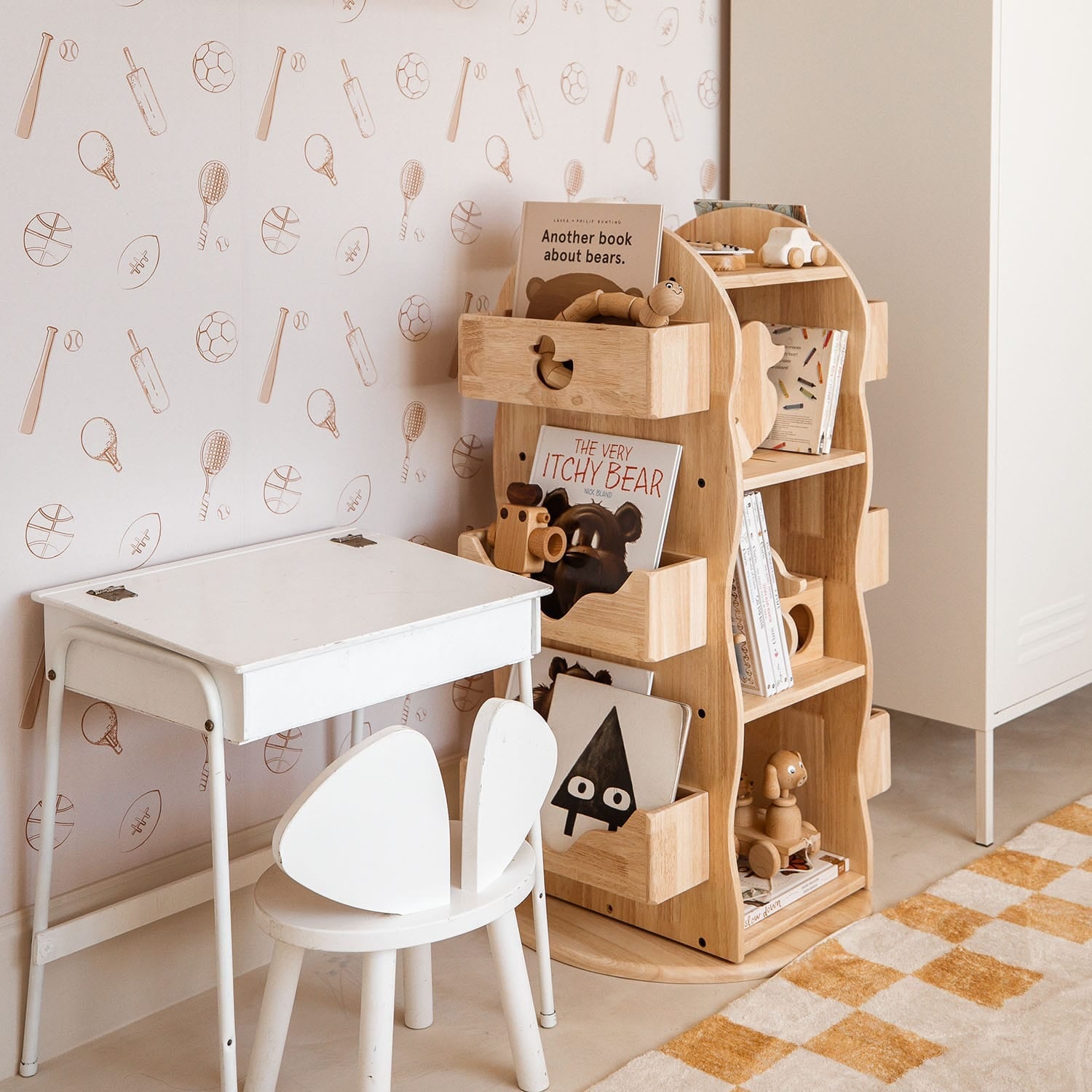
It's the wood behind our OLI Library, a revolving bookcase inspired by the iconic London telephone box, complete with engraved panels and thoughtful detailing. Designed at a child-friendly height, it turns smoothly while keeping a collection of favourite stories within easy reach and their covers on display.
The lightest one
Warm, pale, easy to live with
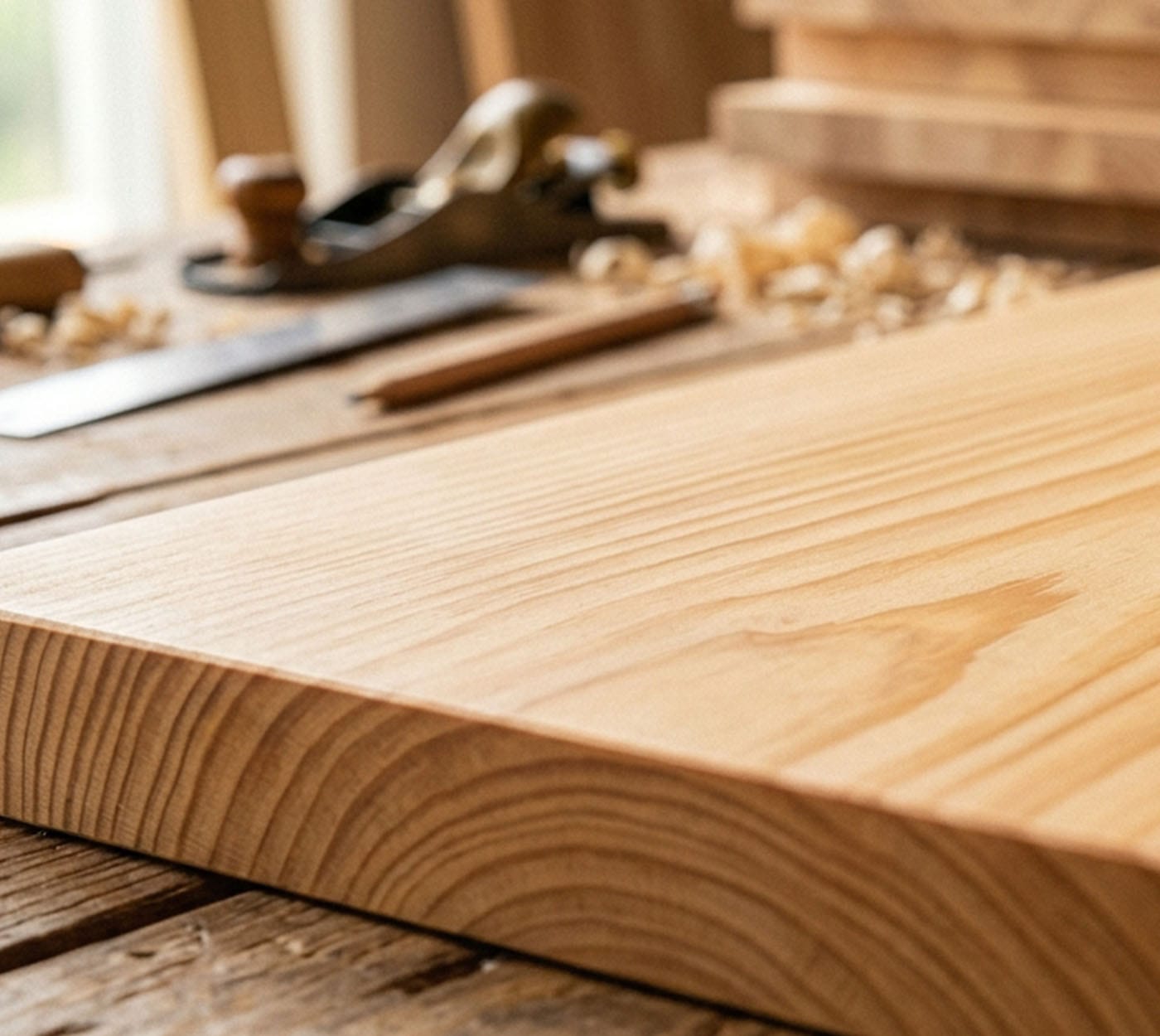
Pine is the wood that still carries the fresh scent of a workshop when it's cut.
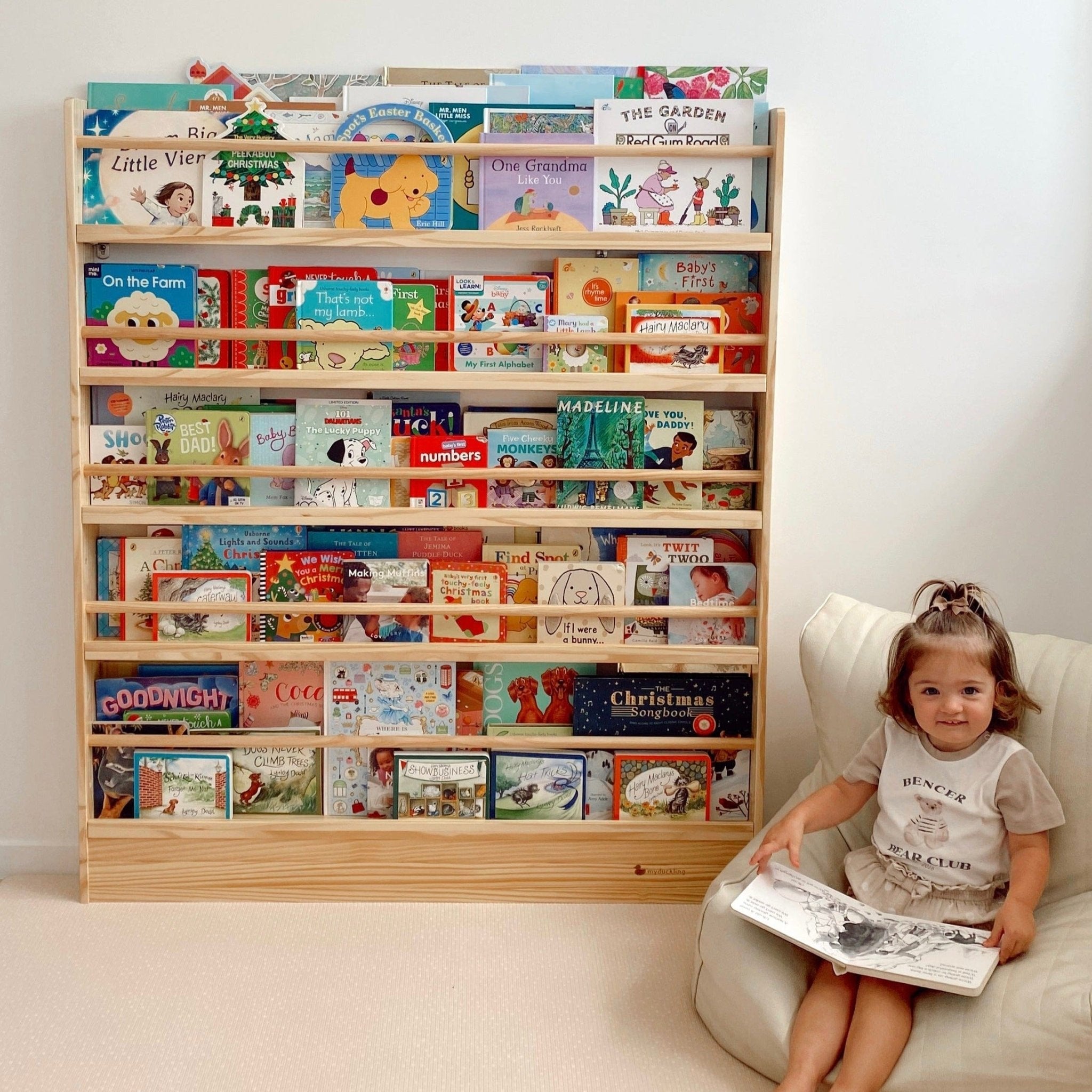
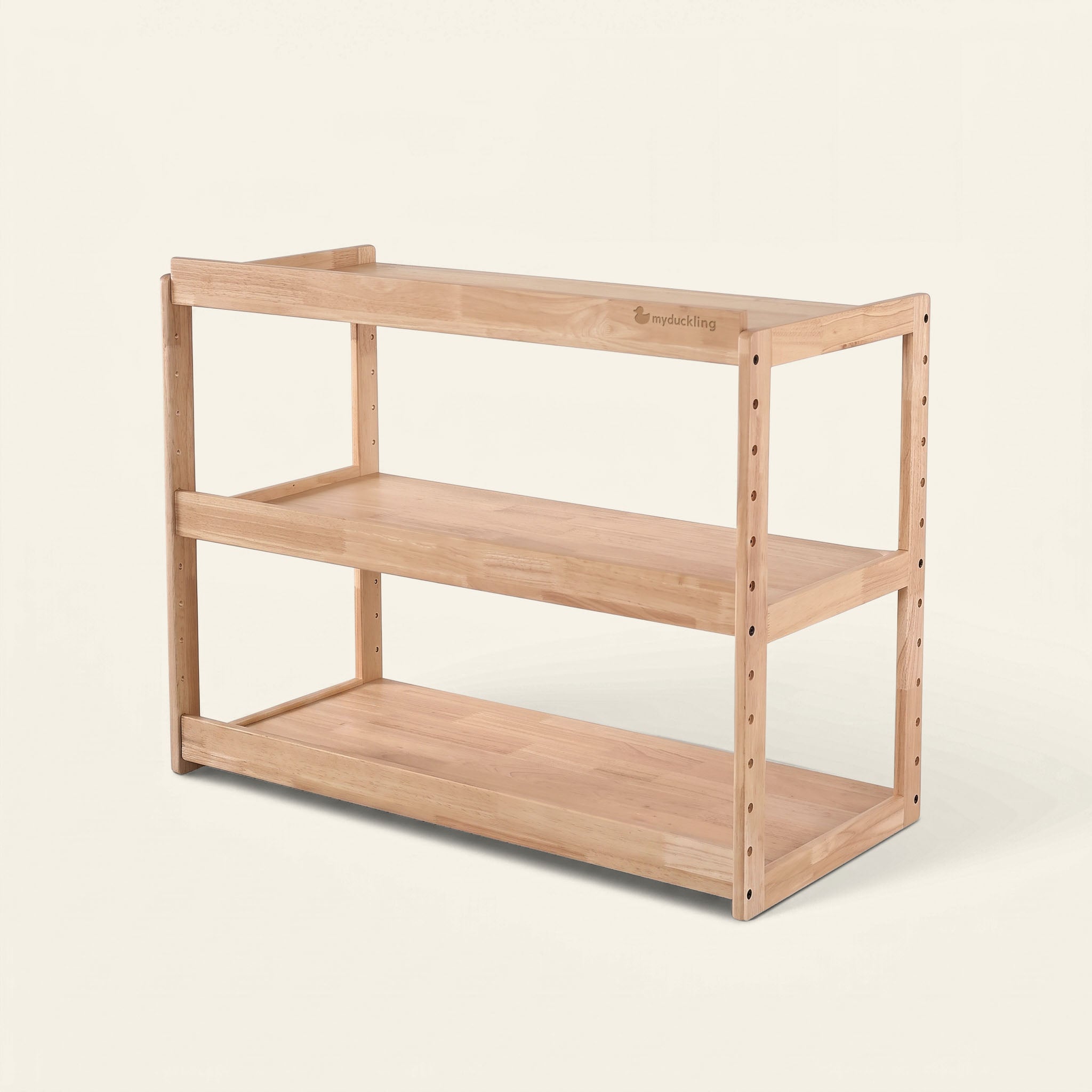
Naturally pale with warm honey tones and a long, straight grain that runs the length of each board, it brings a light and natural feel to a room. It's also lightweight and practical to handle, which makes it a natural choice for our bookshelves.
Easy for an adult to position where it works best, then securely anchored to the wall, our bookshelves keep favourite stories displayed with their covers facing out and within easy reach at a child-friendly height.
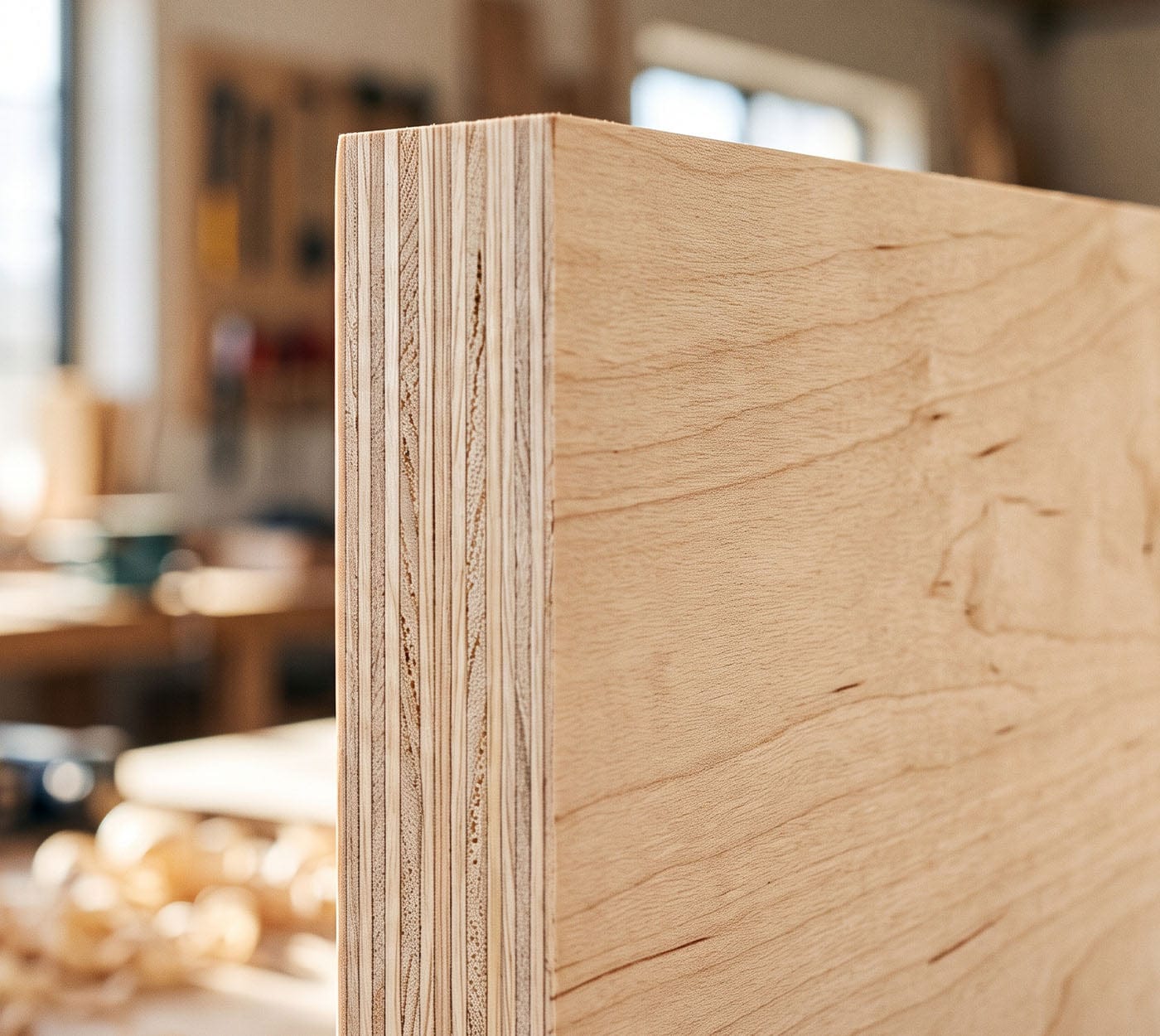
Nothing hidden inside
What lets a shape get clever
Plywood is what makes our adjustable designs possible. Thin layers of real wood are laid in alternating directions and bonded together, creating a strong, stable panel that helps moving and adjustable parts stay aligned through everyday use.
Look closely at the edge and you can see how it’s made. Each layer of real wood has its own natural colour, grain, and character, creating the subtle variations in tone you see throughout the plywood. No two layers are exactly alike, and together they give each panel its own unique character.
Layer upon layer of real wood. No MDF, no particleboard.

The piece you don't replace
Slow wood, slow furniture
A seedling this size won't become furniture for another forty years. That's the real timescale of the material we work with and it shapes the way we design.
We choose wood with longevity in mind, create adjustable settings that keep up as children grow, and design timeless shapes made to be enjoyed by the next child, too.
One of the greenest choices is a piece nobody has to buy twice.




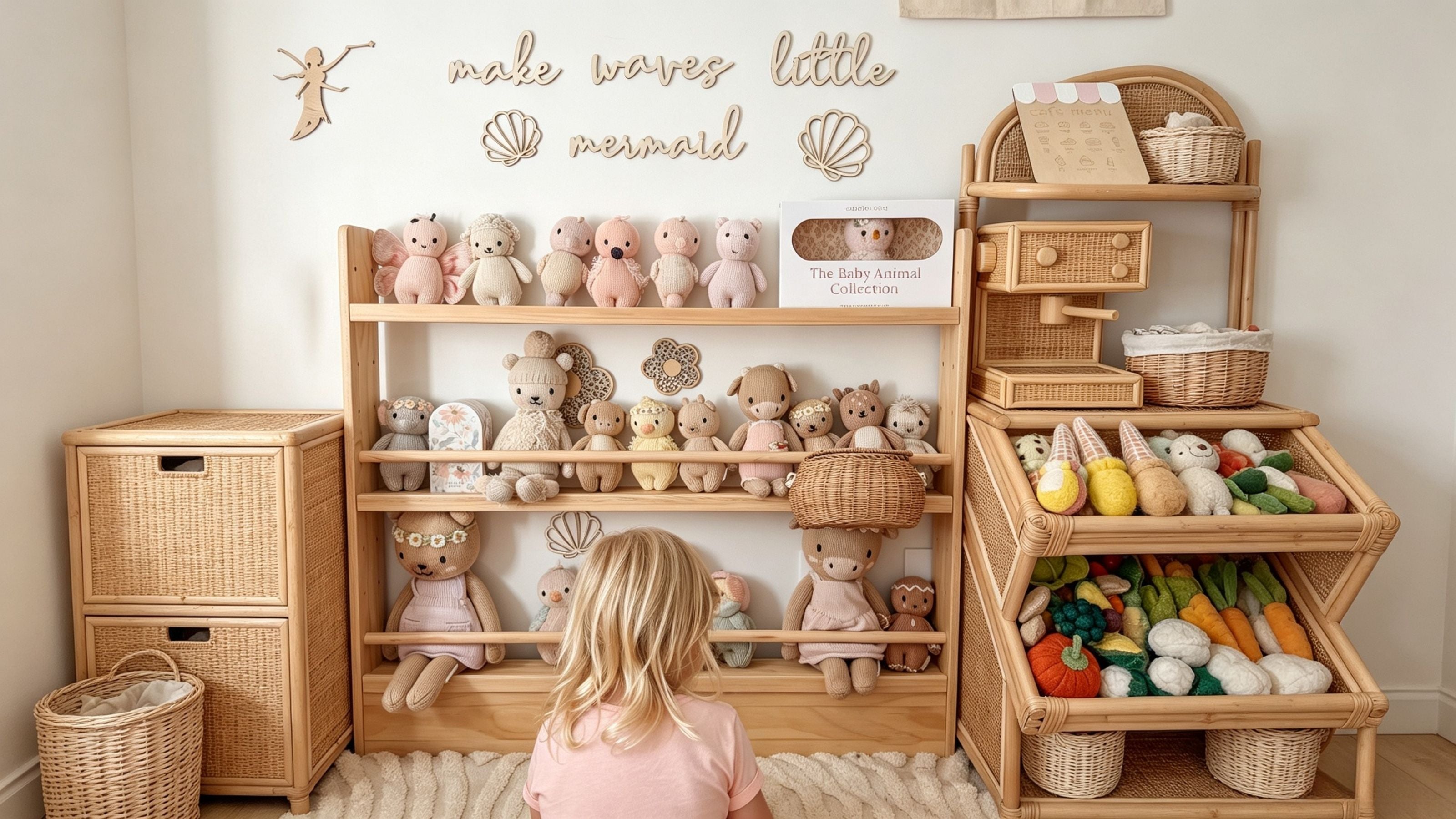
Rotating vs Flat Kids Bookshelf: Which Suits Your Child
A rotating bookshelf spins to show covers on every side and saves floor space, while a flat front-facing shelf holds more books along a wall and re-spaces as a child grows. Here is how they compare...
Read more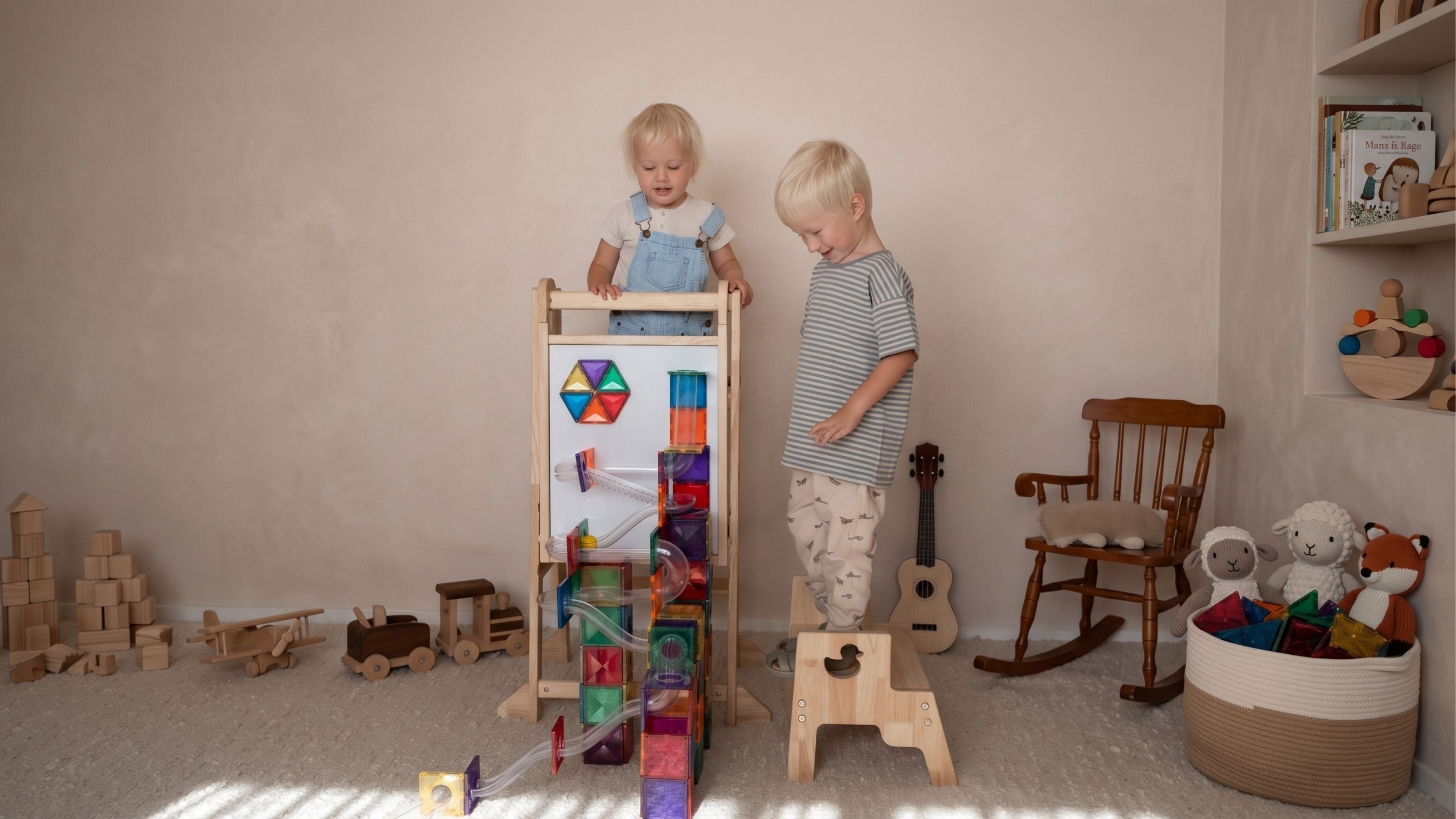
2-in-1 vs 3-in-1 Kitchen Tower: Which One to Choose
A 2-in-1 kitchen tower pairs a standing tower with a drawing board, while a 3-in-1 also reconfigures into a step stool. Here is what each setup does, how they differ, and which suits your kitchen a...
Read more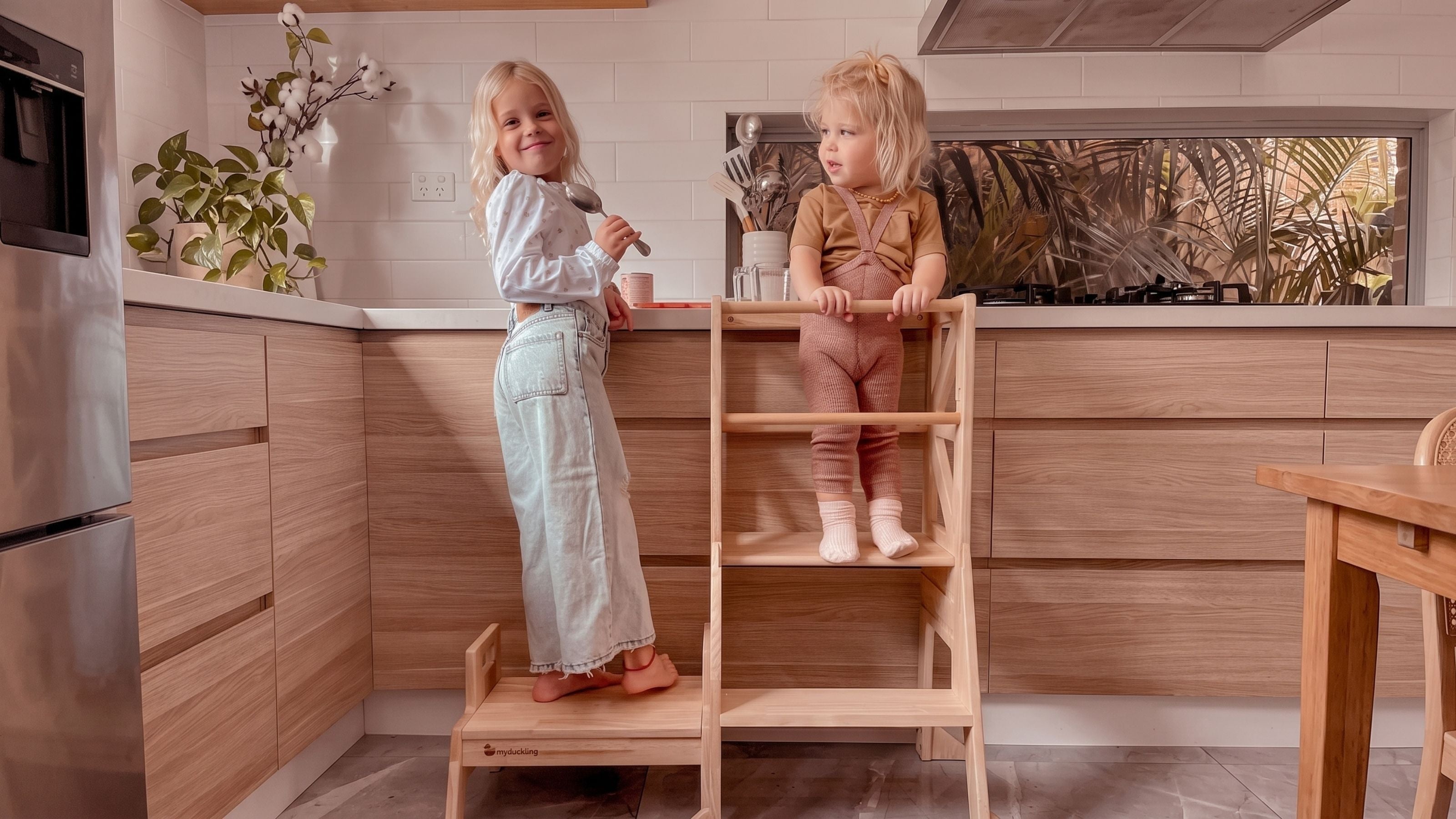
When Can a Toddler Use a Kitchen Tower? Age and Safety
A kitchen tower lets a toddler stand safely at counter height to help cook, but timing the first use matters. Here is the right age to start, the signs your child is ready, the safety features that...
Read moreWater-based, non-toxic finishes
30-day returns, hassle-free
Free shipping on every order
2-year structural warranty